
Dull or shiny spot
Likely cause: Fresh compound absorbed paint differently or primer was skipped.
Best fix: Lightly sand, clean dust, prime the repair, and repaint to a natural break point.
Visible drywall patches usually happen because the repaired area does not match the surrounding wall in surface level, texture, primer absorption, paint sheen, or lighting. Even if the patch is painted, small differences in sanding, feathering, or primer can make the repair stand out.
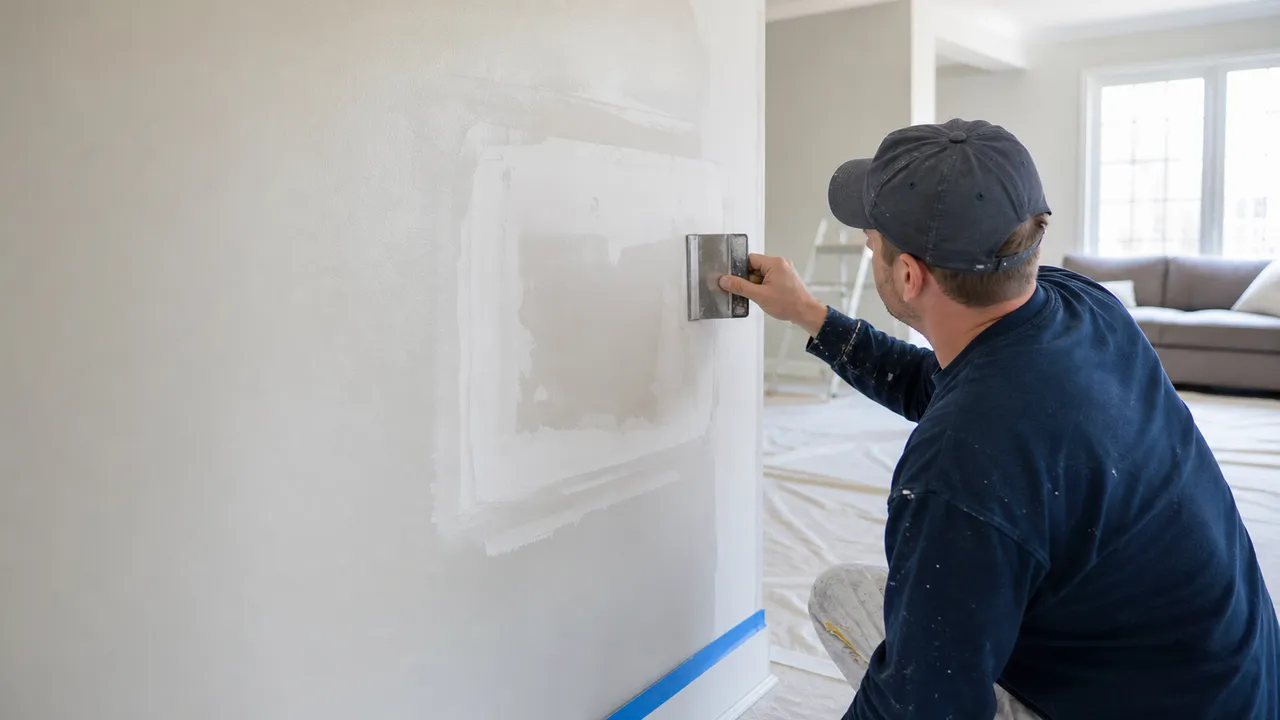
Drywall patches show through paint when the patch is smoother, rougher, more porous, higher, lower, or differently textured than the rest of the wall. Paint alone usually does not hide these issues. The repair often needs wider feathering, proper sanding, primer, texture blending, or repainting to a natural break point. For visible rooms, start with a proper professional drywall repair scope before applying more paint.
| Visible Problem | Likely Cause | Best Fix |
|---|---|---|
| Dull or shiny spot | Fresh compound absorbed paint differently or primer was skipped. | Lightly sand, clean dust, prime the repair, and repaint to a natural break point. |
| Raised outline around patch | Patch was not feathered wide enough. | Sand high edges and apply wider skim coats. |
| Smooth spot on textured wall | New patch texture does not match existing roller or wall texture. | Blend texture before primer and paint. |
| Patch only shows in daylight or side lighting | Wall surface is not flat enough. | Inspect with side lighting, skim wider, sand evenly, then prime. |
| Patch keeps bubbling or staining | Moisture, old damage, or stain is still active. | Fix the source first, replace damaged drywall if needed, then prime with proper stain-blocking primer. |
Likely cause: Fresh compound absorbed paint differently or primer was skipped.
Best fix: Lightly sand, clean dust, prime the repair, and repaint to a natural break point.
Likely cause: Patch was not feathered wide enough.
Best fix: Sand high edges and apply wider skim coats.
Likely cause: New patch texture does not match existing roller or wall texture.
Best fix: Blend texture before primer and paint.
Likely cause: Wall surface is not flat enough.
Best fix: Inspect with side lighting, skim wider, sand evenly, then prime.
Likely cause: Moisture, old damage, or stain is still active.
Best fix: Fix the source first, replace damaged drywall if needed, then prime with proper stain-blocking primer.
A drywall patch can look good before paint but still become visible after the wall is painted. This usually happens because paint reflects light differently across the repaired area. The patch may be flatter, smoother, more porous, or slightly raised compared to the surrounding wall.
This is common around TV mount holes, water-damaged drywall, nail pops, settlement cracks, ceiling patches, and previous DIY repairs. It also happens after plumbing, electrical, or HVAC work where a wall was opened, patched, and painted quickly without enough blending.
A patch showing means you can see the shape, outline, ridge, dip, or texture difference of the repair. This is a surface problem first.
Paint flashing means the repaired area reflects light differently. It may look dull, shiny, cloudy, or slightly different in colour, even when the same paint was used.
Sometimes both problems happen at the same time. A patch can be uneven and also absorb paint differently if it was not primed properly. That is why a better paint colour rarely solves a bad patch by itself.
Reason 1
Small patches often show because compound was applied only over the damaged area. Professional drywall finishing usually requires feathering the repair wider than the damage so the patch blends gradually into the wall. A patch can be only a few inches wide, but the finish area may need to extend much farther so the wall does not catch light at the edge of the repair.
Reason 2
Heavy compound can leave a raised area. Even a small ridge can become visible after paint, especially under daylight, pot lights, hallway lighting, or side lighting. Thick compound also dries slower and can shrink back, which means the patch may look flat one day and show a shadow after primer or paint.
Reason 3
Over-sanding can expose tape or create low spots. Under-sanding can leave ridges and edges. The goal is not to sand everything flat in one spot, but to make the repair blend naturally into the surrounding wall. Good sanding is controlled, clean, and checked from more than one angle.
Reason 4
Fresh joint compound is porous. If paint is applied directly over compound, the patch may absorb paint differently than the painted wall around it. This can cause flashing, dull spots, cloudy areas, or a finish that looks slightly different even when the paint colour is correct.
Reason 5
Older painted walls often have roller texture, old paint build-up, slight orange peel, or sanding marks from previous repairs. A new drywall patch may be smoother than the rest of the wall. If texture is not blended before primer and paint, the patch can still show even when the surface is technically flat.
Reason 6
Side lighting from windows, hallway lights, pot lights, and stairwell lighting can reveal small imperfections. A repair that looks fine from one angle may show clearly from another angle. This is why ceiling patches, stairwell walls, long hallways, and large-window rooms usually need more careful finishing.
Reason 7
If the drywall was affected by moisture, stains, soft board, or loose tape, painting over it will not solve the problem. The damaged area must be dry, stable, and repaired properly before primer and paint. If the board is soft or swollen, replacement is usually safer than another surface skim.
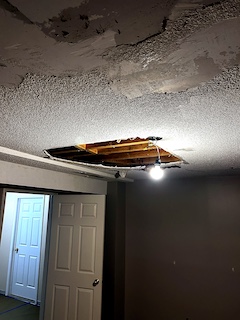
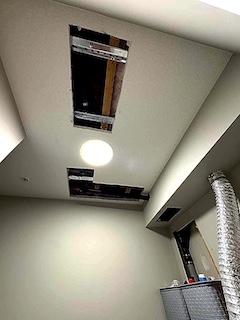
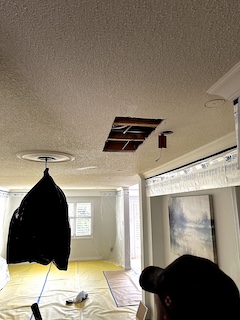
Usually, no. Another coat of paint may help minor colour differences, but it will not fix raised edges, poor sanding, texture mismatch, missing primer, or uneven wall surfaces.
If the patch is visible because of flashing, primer may be needed. If the patch is visible because of a ridge or dip, the surface needs more drywall finishing before repainting. Paint follows the shape underneath it, so adding more paint over a bad surface usually makes the problem more frustrating.
For highly visible walls, repainting only the small patch may still show because the older wall paint has aged, faded, or developed a different roller texture. In many living rooms, hallways, stairwells, and bedrooms, repainting to a corner, doorway, ceiling line, or other natural break gives a cleaner result.
Small low-visibility patches may be fine for DIY repair, especially in closets, utility rooms, or areas with low natural light. If the wall is not highly visible, a simple patch, primer, and repaint may be enough. DIY is more reasonable when the drywall is dry and solid, the damage is shallow, and you are comfortable waiting for compound to dry between coats.
Professional drywall repair makes sense when the patch is in a visible room, hallway, staircase, ceiling, large-window area, or freshly painted wall. These areas usually need better feathering, sanding, primer, and paint blending to avoid the repair showing again.
If the repair is part of a bigger renovation, EPF can also help connect the scope with interior painting, drywall installation, popcorn ceiling removal, or wallpaper removal when those services are part of the same room update.
In occupied homes, visible drywall patches are often caused by a combination of narrow feathering, skipped primer, and old roller texture around the repair. For high-light areas like hallways, stairwells, ceilings, and large-window rooms, we inspect the patch from several angles before primer and paint.
EPF Pro Services repairs visible drywall patches, flashing, sanding marks, ceiling patches, wall damage, TV mount holes, water-damaged drywall, and paint-ready repairs across Mississauga, Toronto, Oakville, Burlington, Hamilton, Etobicoke, Milton, Grimsby, St. Catharines, and nearby areas.
We also serve Toronto, Etobicoke, St. Catharines and nearby GTA areas. Dedicated drywall repair city pages for those areas are not linked here unless they exist in the site.
To provide a more accurate estimate, send a few clear photos of the damaged area. Photos help us understand the patch size, wall lighting, finish quality, moisture risk, and whether the repair can be blended or should be repainted to a natural break point.
You can still see a drywall patch after painting when the repaired area does not match the surrounding wall in surface level, texture, primer absorption, or paint sheen. The patch may need wider feathering, sanding, primer, or repainting to a natural break point.
Primer helps prevent flashing by sealing fresh compound, but it will not hide raised edges, dips, poor sanding, or texture mismatch. The patch still needs to be finished properly before primer and paint.
Another coat of paint may help minor colour differences, but it usually will not fix visible patch outlines, ridges, sanding marks, or texture problems.
A shiny or dull spot is usually caused by paint flashing. This happens when the patched area absorbs paint differently than the surrounding painted wall, often because primer was skipped or the surface texture is different.
Not always, but repainting to a natural break point often gives the best result. Small touch-ups can still show if the existing paint has aged, faded, or developed a different texture.
Yes. EPF Pro Services repairs drywall patches, sanding marks, tape issues, water-damaged drywall, ceiling patches, and paint-ready wall repairs across Mississauga, Oakville, Burlington, Hamilton, Toronto, Etobicoke, Milton, and nearby GTA areas.
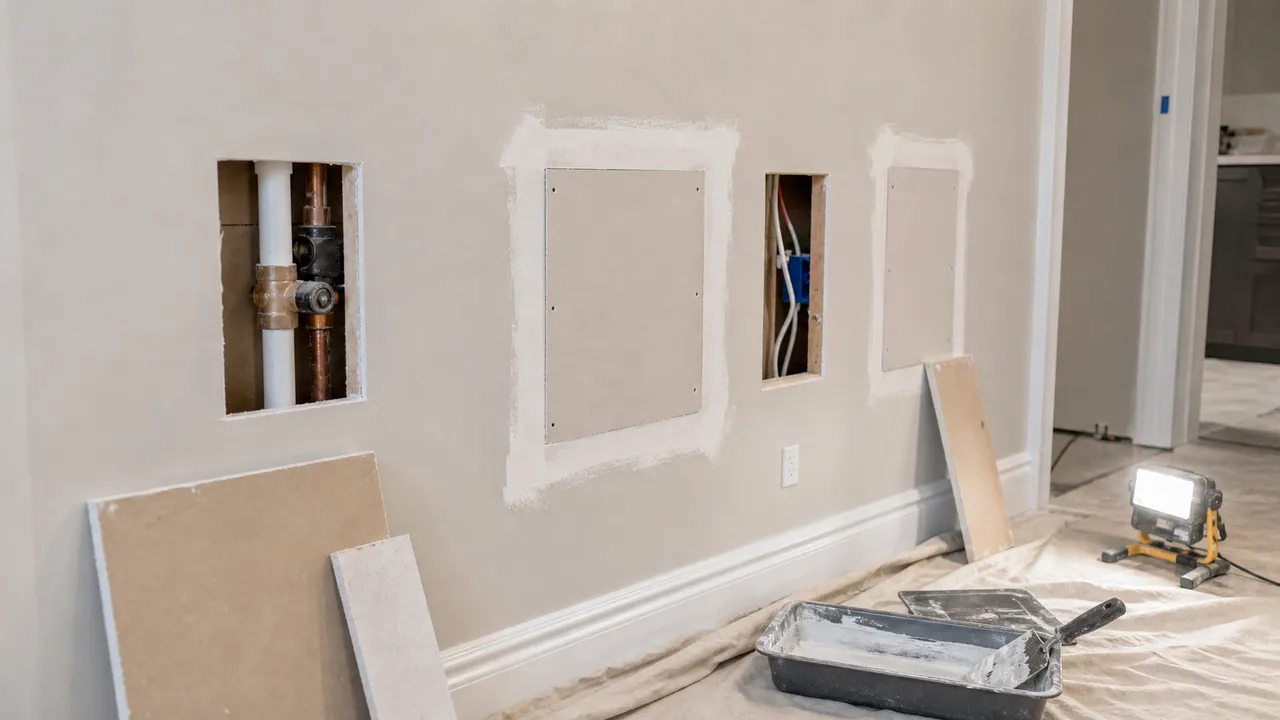
What to fix before repainting so patches, cracks, stains, and old repairs do not show through the finish.

A practical guide to choosing the right patch method for small holes, larger cut-outs, and paint-ready repairs.
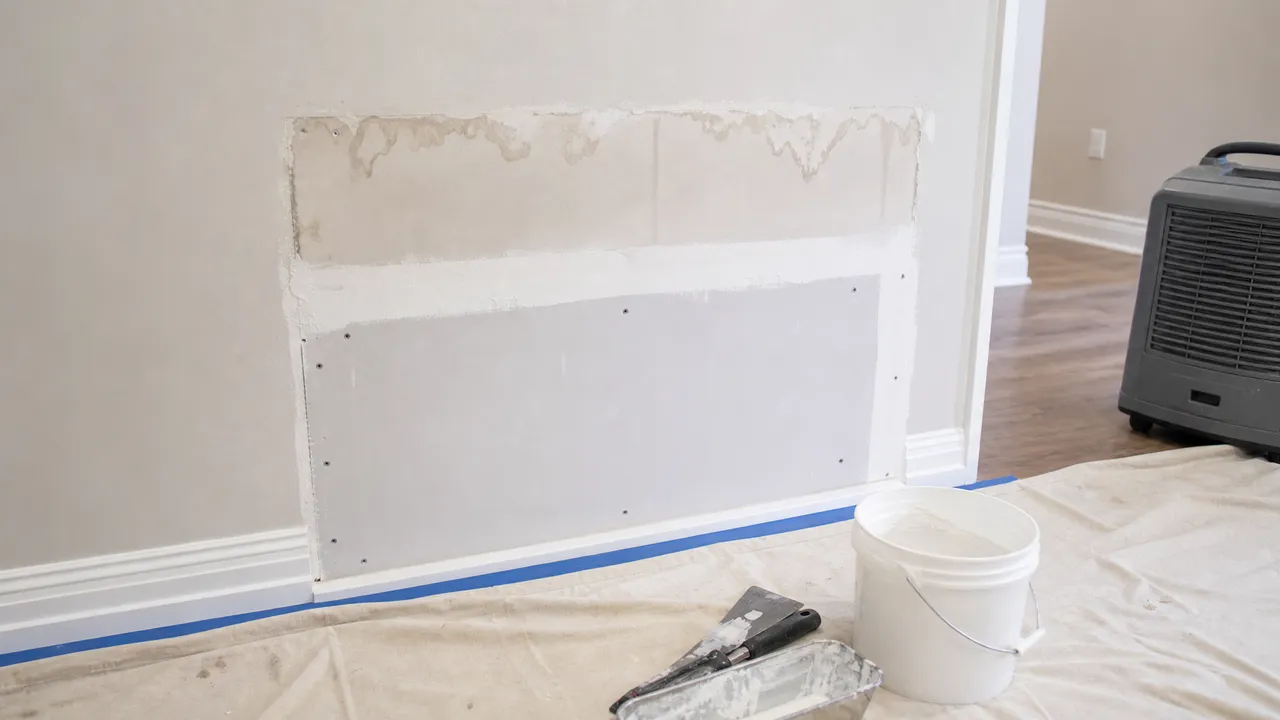
How to tell whether water-damaged drywall can be repaired or should be replaced before finishing.
When a small repair is reasonable for DIY and when finish quality, lighting, or moisture makes a pro the better choice.
Send us a few photos of the patch and we can let you know what likely needs to be done. EPF Pro Services can repair, skim, sand, prime, and prepare the area for a cleaner painted finish.