
Should You Remove Popcorn Ceilings?
2026-04-01
Should you remove popcorn ceilings? Learn when it is worth it, how messy the process really is, what happens after removal, and when hiring a pro makes more sense than DIY.
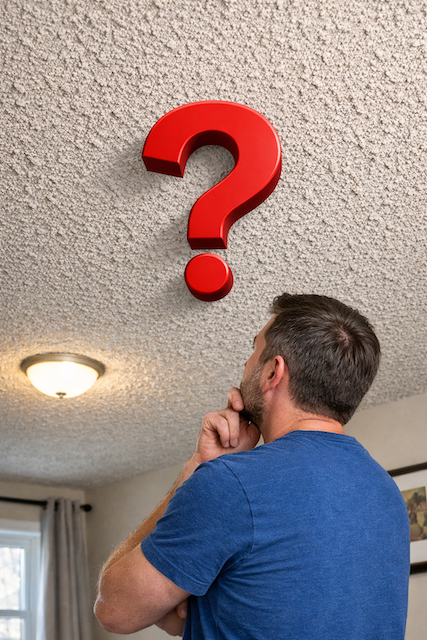
In many homes, yes, it makes sense to remove popcorn ceilings. The answer depends on the age and condition of the ceiling, whether the texture has been painted, how smooth you want the final finish to look, and whether the room is already being updated in other ways.
If you want a smoother, more modern finish, professional popcorn ceiling removal is often the best way to update the room properly.
That is because most homeowners are not really deciding whether they like texture in the abstract. They are deciding whether the ceiling still fits the room, whether it is creating maintenance problems, and whether removing it now is better than patching around it for years.
Some ceilings are still stable and low-priority. Others are dragging down the whole room. Once flooring, trim, lighting, and paint start to look more current, old textured ceilings often become the last part that makes the space feel unfinished.
Why homeowners remove popcorn ceilings
The first reason is visual. Popcorn ceilings make many rooms look older than they really are. Even if the walls are freshly painted and the floors have been updated, a heavy textured ceiling can keep the space from feeling complete.
The second reason is maintenance. Dust, cobwebs, stains, and old patch marks tend to show up awkwardly on textured ceilings. If the surface has water damage, cracks, pot-light changes, or older repairs, the texture often makes those issues harder to hide cleanly.
The third reason is renovation efficiency. A lot of people remove popcorn ceilings when they are already repainting, adding lighting, repairing drywall, or preparing to sell. Doing the ceiling while the room is already in work mode is usually more efficient than finishing everything else and leaving the old texture overhead.
There is also a practical design reason. A smooth ceiling finish works better with flatter paints, stronger daylight, pot lights, modern trim, and cleaner sightlines. That does not mean every textured ceiling must go, but it does explain why homeowners keep making the same decision once the rest of the house starts moving in a more updated direction.
Is it worth removing popcorn ceilings?
In many cases, yes. The value usually comes from a combination of better appearance, easier long-term maintenance, cleaner repairs, and better fit with the rest of the room. That value is strongest when the ceiling already looks dated, has visible stains or damage, or clashes with newer finishes below it.
It is especially worth considering when the texture has already started failing. If the ceiling has old leak marks, patch scars, uneven paint, damaged corners, or rough fixture cut-ins, the money you spend trying to preserve the old texture often does not give you a satisfying result. A full refinish can be the cleaner long-term move.
That said, not every ceiling is urgent. In some secondary rooms, utility spaces, or older basements, the ceiling may be stable enough that removal can wait. The best question is not "Do popcorn ceilings always need removal?" The better question is "Does this ceiling still make sense for the room I want now?"
Is popcorn ceiling removal messy?
It can be messy if it is rushed or done without proper protection. Texture removal can create falling debris, sanding dust, and extra repair work once the ceiling surface is opened up. That is why homeowners often worry about the mess before they worry about the finish itself.
A controlled project looks very different from a rushed one. Floors and furniture should be protected, vents should be managed, work zones should be contained, and cleanup should happen throughout the job instead of only at the very end. If sanding is part of the finish process, dust control matters even more because the room can feel clean at the scraping stage but still become messy later if the finish work is handled poorly.
The important distinction is that popcorn ceiling removal is not automatically chaotic. It becomes chaotic when the scope is too thin. A contractor who only talks about scraping and never explains protection, repairs, skim coating, sanding, primer, or cleanup is usually not describing the full project homeowners actually care about.
Is it safe to remove popcorn ceilings yourself?
Sometimes homeowners do try it themselves, especially in one room or in an unfinished basement. The risk is not only about scraping texture. The bigger issue is understanding what is on the ceiling, how the surface reacts once the texture starts coming off, and what is required to leave the ceiling looking flat afterwards.
Older homes need extra caution before the ceiling is disturbed. If the age or composition of the texture is unclear, it is smart to assess that before treating the project like a simple DIY weekend job. Surface condition matters too. Once the texture is opened up, hidden repairs, loose paper, patch marks, stains, or uneven joints can appear quickly.
DIY removal is also physically harder than many people expect. Ceilings are overhead, repetitive, and awkward. Even if the texture comes down, the final result still depends on repair work, skim coating, sanding, sealing, priming, and often painting. That finishing stage is where many DIY projects stop looking easy.
DIY vs professional popcorn ceiling removal
DIY makes the most sense only when your expectations are modest, the room is low-risk, and you are comfortable dealing with whatever the texture reveals underneath. If the goal is a truly clean ceiling that still looks good in daylight and after paint, professional work usually makes much more sense.
Homeowners who want clean prep, proper repairs, and a consistent final finish usually choose professional popcorn ceiling removal instead of trying to patch the result later.
The difference is not just labour. It is process. A strong contractor evaluates whether the texture should be scraped, stabilized, or skim coated; protects the room properly; handles repair work as it appears; and finishes the ceiling to the level the room actually needs. A weak scope often focuses only on taking the texture down and leaves the homeowner to discover later that the ceiling still is not ready for paint.
Professional help is most valuable in painted popcorn ceiling removal, larger open rooms, stairwells, rooms with strong side light, and homes where the ceiling condition is already questionable. Those are the projects where the wrong method creates more rework than savings.
What happens after popcorn ceilings are removed?
This is the part many homeowners underestimate. Removal is only one stage. After the texture comes off, the ceiling may still need patching, seam correction, stain treatment, skim coating, sanding, sealing, primer, and paint before it looks finished.
Sometimes the drywall underneath is in decent shape and needs only limited correction. In many other rooms, the ceiling was textured in the first place because it was not smooth enough to leave exposed. Once the texture is gone, the surface may show joints, tape lines, waves, older repairs, or rough transitions around fixtures and vents.
That is why good contractors talk about final finish from the start. The visible value in textured ceiling removal is not simply a scraped ceiling. It is a ceiling that ends up flat, clean, and consistent enough to hold paint without telegraphing every old defect.
Do you need skim coating after popcorn removal?
Often, yes. Not every ceiling needs a heavy full skim, but many ceilings need at least some smoothing after the texture is removed. Painted popcorn ceilings are the most common example because the surface below is often rougher and more damaged than homeowners expect.
Skim coating is what bridges the gap between removal and a smooth ceiling finish. It helps flatten transitions, hide minor surface defects, and create a more uniform ceiling plane before sanding and primer. If a contractor is promising a perfectly smooth result without discussing skim work at all, that is usually a warning sign unless the ceiling has already tested unusually clean.
This matters most in rooms with pot lights, larger windows, long sightlines, or flat paint. A ceiling that looks acceptable during removal can still look poor after paint if the finish stage is thin. Skim coating is often the step that decides whether the project looks professional or half-finished.
When removing popcorn ceilings makes the most sense
The best time is usually during a larger room update. If you are repainting, changing trim, adding pot lights, repairing drywall, updating flooring, or preparing the house for sale, ceiling work fits naturally into that schedule. The room is already being staged for change, so it makes more sense to deal with the ceiling once than to work around it later.
Removal also makes sense when the texture has become visibly damaged, heavily painted, stained, or awkwardly patched. Trying to preserve a tired textured surface often creates a cycle of small repairs that never look truly clean. At that point, moving to a smooth ceiling is usually the better long-term answer.
It can also make sense in homes where the ceiling is the main thing holding the room back visually. Once homeowners see the rest of the renovation taking shape, they often realize the ceiling is the last large surface still making the room feel dated.
If your main question is specifically about resale timing, read Should You Remove Popcorn Ceilings Before Selling Your Home? for the seller angle.
Final thoughts
So, should you remove popcorn ceilings? In many homes, yes. If the texture looks dated, traps dust, shows stains or repairs, or no longer matches the room, removal and refinishing is often worth it. The biggest benefit is not just getting rid of texture. It is ending up with a ceiling that looks intentional, cleaner, and easier to live with.
The main thing to remember is that the project is not only about taking texture down. The real result comes from what happens after: repairs, skim coating, sanding, primer, paint, and the finish quality needed for the room. That is where homeowners usually decide whether the update was truly worth doing.
FAQ
Related local pages
Popcorn ceiling removal cost guide — Read this next if pricing and quote structure are your main questions.
Should you remove popcorn ceilings before selling your home? — Read this next if your decision is tied to listing photos, buyer perception, and pre-sale updates.
Painted popcorn: scrape or skim coat — Useful when the texture has already been painted and the removal method is not obvious.
What are popcorn ceilings? — Background reading on what popcorn ceilings are, why homes have them, and when removal makes sense.
FAQ
Is it worth removing popcorn ceilings?
In many homes, yes. It is often worth it when the ceiling looks dated, has stains or repairs, or no longer fits the rest of the room after updates.
Is popcorn ceiling removal messy?
It can be if the job is rushed or poorly contained. With proper protection, dust control, and cleanup, the process is much more manageable.
Can painted popcorn ceilings be removed?
Yes, but painted popcorn ceilings are often more difficult than unpainted texture. They commonly need more repair work and skim coating for a clean final finish.
Do you need to skim coat after popcorn removal?
Often, yes. Many ceilings need smoothing after the texture is removed, especially if the texture was painted or the drywall underneath is not clean enough to leave exposed.
Is it better to hire a professional for popcorn ceiling removal?
If your goal is a smooth, paint-ready result, usually yes. Professional crews handle protection, repairs, finishing, and the surface corrections that make the final ceiling look complete.
Field photos
Inspiration for your project


Popcorn ceiling terms this page covers
Useful terms to compare removal, skim coating, and finish scope before you book.
- remove popcorn ceilings
- remove popcorn ceiling
- should you remove popcorn ceilings
- popcorn ceiling removal
- is popcorn ceiling removal worth it
- is popcorn ceiling removal messy
- professional popcorn ceiling removal
- painted popcorn ceiling removal
- textured ceiling removal
- smooth ceiling finish
- popcorn ceiling removal guide
- what to expect when removing popcorn ceilings
Ready to plan your ceilings?
Get a popcorn ceiling quote today
Share photos, ceiling heights, and timing. We reply the same day with Mississauga, Oakville, and GTA availability.
• HEPA dust control and Level 5 skim finishing
• Pot-light coordination and interior painting add-ons
• Flexible scheduling for condos and single-family homes
Quick next step
Send photos and room sizes through the main quote page, or call for a same-day reply.
Keeping the form on the main quote page helps this article stay lighter and faster.