
Plaster Repair or Drywall Replacement in Mississauga?
Updated September 18, 2026
Retain sound plaster when localized repairs can solve the problem. Compare drywall replacement when support, widespread damage or renovation access changes the scope.
- Trusted since 2005
- Fully insured
- Dust-controlled sanding
- Paint-ready finishing
- 3-year workmanship warranty
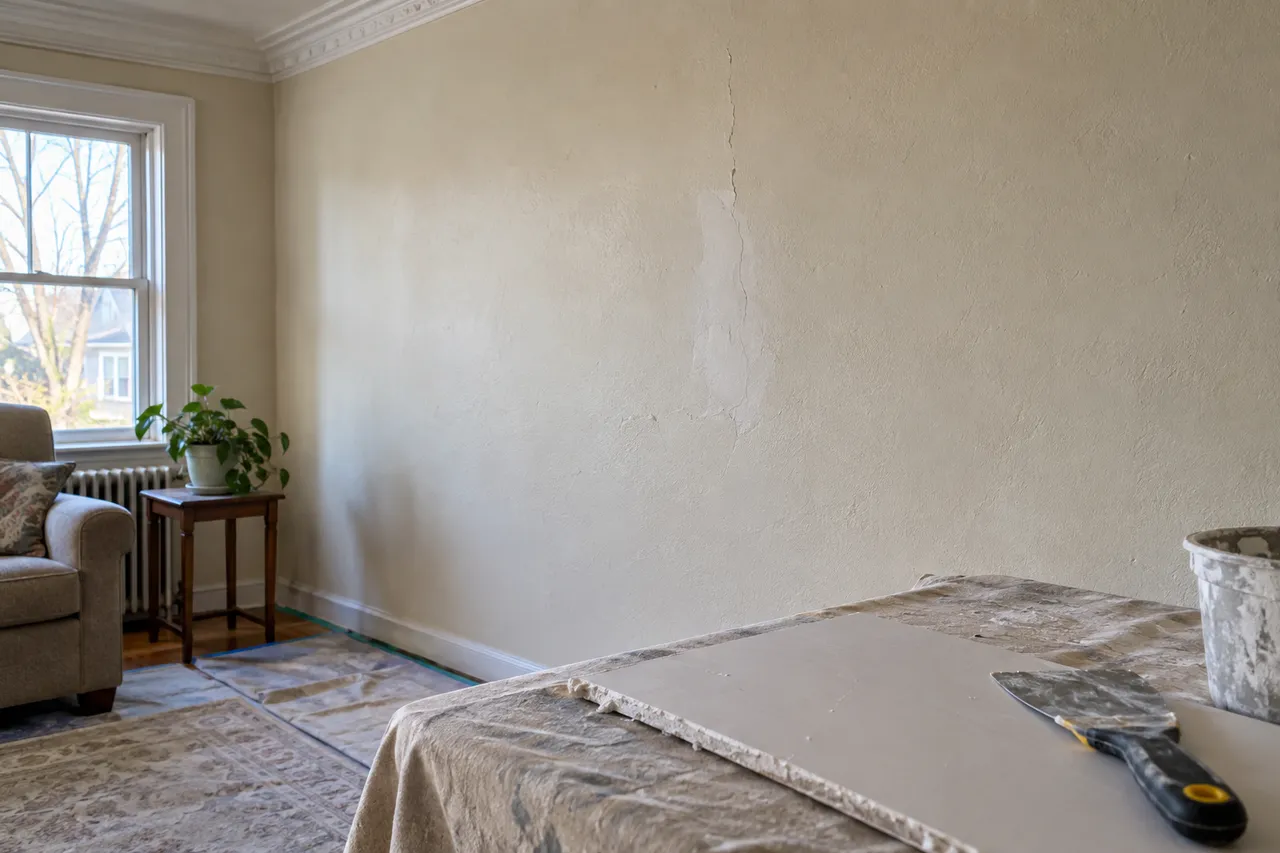
Quick Answer
Repair plaster when its support is sound and the damage is limited. Consider drywall replacement when substantial material has failed or a larger renovation requires access and rebuilding. Resolve moisture, movement and material-testing questions first, then compare both options through the same trim, primer and painting finish.
Plaster repair is usually worth considering when the existing wall or ceiling is sound and the damage is limited. Drywall replacement becomes more practical when a section has lost its support, substantial access is needed behind it, or widespread damage makes retention unreliable. In Mississauga homes, the right decision depends on the actual substrate, moisture history, trim and planned finish—not simply whether the surface is old.
We repair traditional plaster and install drywall. Start with our wall and ceiling repair service in Mississauga for a localized problem. If the scope is a larger rebuild, our Mississauga drywall installation service explains the replacement and finishing work. This comparison helps you prepare the right questions before either option is priced.
Plaster repair or drywall replacement: a practical comparison
A fine crack, a loose finish coat and a detached section of plaster are not the same condition. The visible paint can conceal different layers and earlier repairs. Before deciding to retain or replace a surface, identify where the failure occurs and whether the surrounding material is stable. Do not assume that every rough wall needs demolition or that every crack can be solved by skimming.
| Condition | Repair direction | Confirm before finishing |
|---|---|---|
| Limited stable damage with sound support | Retain and repair compatible layers | Condition of the surrounding base and coating |
| Loose, detached or extensively damaged sections | Assess stabilization or replacement | Support, cause of failure and safe repair boundary |
| Large planned trade-access openings | Compare a defined drywall rebuild | Final access needs and treatment of retained edges |
| Sound wall with shallow unevenness | Consider local blending or broader skim coating | Bonding preparation and the desired finish |
| Recurring dampness or movement | Investigate before decorating | Source correction and appropriate professional assessment |
This is a planning guide rather than a diagnosis from photographs. A site assessment may change the repair boundary once the material and support are understood. Where a ceiling is sagging, loose or shedding material, keep clear of the affected area and arrange assessment before cosmetic work. Broad movement, recurring damage or an unexplained moisture problem can require investigation beyond ordinary finishing.
Understand what is behind the paint
Traditional plaster may be supported by wood lath, metal lath or another base. Drywall consists of manufactured board, with its joints finished using tape and compound. Some homes contain a mixture because different rooms were renovated at different times. A wall can therefore have a retained plaster perimeter, a newer board insert and several generations of paint or skim coats on the same visible plane.
The repair material needs to suit what is actually there. A product that works well for a shallow drywall blemish may not be the right choice for a deep plaster repair or a loose base. Compatible bonding preparation, repair thickness and support all matter. Ask the contractor to explain the substrate and proposed material system in ordinary language rather than accepting a quotation that describes every wall as drywall.
House age and neighbourhood are not reliable substitutes for inspection. A renovated older home may have newer board throughout, while another property retains original surfaces in only one room. In Mississauga, the practical first step is to photograph the visible condition and share known renovation history. Do not cut a test opening yourself merely to identify a material, particularly where older finishes or services may be present.
When retaining plaster is a sensible option
Repair can be appropriate where the underlying plaster is securely supported, the damage is localized and the original surface can be preserved without hiding an active problem. Small losses, stable isolated cracks and limited finish-coat damage may be repairable. Retaining a sound wall can also protect existing cornices, trim relationships and room proportions that would be more complicated to recreate after full replacement.
The contractor should define which layers need repair and which can stay. Removing every painted layer is not automatically necessary, but a poorly bonded coating cannot become a dependable foundation simply because new material is applied over it. The preparation should address the failing layer, establish a suitable surface and blend the repair into the surrounding plane without covering loose material.
A preservation-minded repair still needs realistic finish expectations. The original surface may have subtle irregularities that belong to the room. A homeowner may prefer to retain those while correcting cracks, or may want a flatter appearance before redecorating. Agree on that goal first. A small compatible repair and a broad levelling treatment are different scopes, even when both retain most of the original plaster.
When drywall replacement becomes more practical
Replacement may make sense when damage is extensive, material has lost reliable support, or access behind the surface is necessary for a larger renovation. Opening walls for an approved plumbing or electrical project can change the economics of retaining disconnected fragments. The replacement should reach sound boundaries and allow proper support, joint treatment and finishing rather than leaving fragile edges around a new panel.
Drywall is also useful where the intended result is a rebuilt plane across a substantial area. However, new board does not automatically produce a straighter wall. Uneven framing, poorly positioned backing and incorrect board alignment can carry through to the finish. The installation scope should explain how the supporting structure will be assessed and how the face of the new board will align with retained finishes.
Replacement creates associated work. Skirting boards, door casings, window returns, ceiling edges and decorative features may need protection, removal or adjustment. The quote should identify whether those details are included. A low board-and-tape price can become misleading if it excludes restoring the trim and painting the full area needed for a consistent result. Compare the completed room, not just the square footage of board.
Check moisture, movement and older materials first
A stained or softened area needs a moisture explanation before it receives a new finish. Ask when the mark appeared, whether it changes after rain or fixture use, and what source repair has been completed. Covering a damp area with board or skim coat can hide evidence while the underlying problem continues. The substrate must be suitable for the proposed repair, not merely dry to the touch at one moment.
Cracks that repeatedly return can be associated with movement or a failing connection between materials. A finishing contractor should distinguish a surface defect from a condition needing another specialist. There is no benefit in promising that thicker compound will permanently correct every moving joint. Where the cause is uncertain, allow for assessment before committing to a decorative result or a firm completion date.
Older materials can also require testing before disturbance. Health Canada identifies plaster among materials that may contain asbestos in some older homes. Do not sand, cut or remove suspect material based on appearance alone. Any required testing and specialist handling should be resolved before normal plaster repair or drywall installation begins.
Plan the transition between old plaster and new drywall
A successful mixed repair begins with alignment. Traditional plaster can be a different thickness from available drywall, and the supporting plane may vary across the opening. The installer needs to establish how the new face will meet the old surface without a sharp step. Simply fastening a convenient board thickness and filling the difference later can create a broad hump or a weak, overly thick finish.
The joint also needs a repair system appropriate to the materials and movement conditions. The retained edge must be sound, and the new section must be adequately supported. Tape, compatible compounds or plaster systems and controlled feathering help create a durable transition where those methods suit the substrate. Decorative skim material should not be expected to secure loose edges or reconnect a detached base.
For projects involving gypsum board on both sides of the decision, our drywall repair versus replacement guide compares patching with larger board replacement. This plaster comparison adds the questions about retained historic material, different depths and the details around original trim.
Preserve cornices, casings and useful room details
Before quoting, identify what must remain. A ceiling repair near a plaster cornice requires a different finish boundary from an open flat ceiling with simple painted corners. Window and door trim can reveal changes in wall thickness, while skirting boards can expose whether a replacement wall has moved forward. Photograph these junctions rather than sending only a close-up of the crack.
Retained trim may not tolerate repeated removal and refitting. Ask how the surrounding details will be protected and who handles any necessary carpentry or decorative restoration. Specialist ornamental plasterwork can be a separate scope from a flat-wall repair. Confirm that capability for the specific detail rather than assuming every contractor who repairs plaster also reproduces elaborate mouldings or historic decorative features.
Discuss the visual stopping point as well. A repaired wall can terminate at a corner, but a partial ceiling repaint through an open space may remain visible. Where several rooms share one ceiling plane, the decoration boundary can affect more area than the damaged plaster. Defining those boundaries in advance keeps the retained room details and the finished appearance part of the same decision.
Skim coating is a finish decision, not a cure for loose plaster
Skim coating can improve a stable surface that has shallow imperfections, patch transitions or an inconsistent texture. It creates a more uniform finishing layer, but its success depends on the condition and preparation of the underlying material. A skim coat over loose plaster, peeling paint or damp substrate cannot make the assembly sound. Bonding and structural support must be addressed first.
The amount of levelling should match the room's lighting and the agreed result. Large windows and light travelling along a wall can reveal changes that overhead lighting conceals. A smooth ceiling or a more reflective wall coating can be less forgiving than a lightly textured matte surface. Explain how the room will be used and painted before deciding whether local blending is enough.
Level 4 and Level 5 are commonly discussed in gypsum-board finishing. They should not be used as unexplained labels promising a universal repair result on every traditional plaster wall. Ask what preparation, full-surface treatment and inspection are included for your actual substrate. An estimate is clearer when it describes the finished plane and coating preparation rather than relying entirely on a finish-level label.
Priming and painting after plaster repair
Repaired plaster, joint compound and existing paint can absorb coatings differently. The primer and paint system must be compatible with the repaired substrate and any retained coating. Some repair materials also have specific curing or coating requirements. Follow the material manufacturer's instructions instead of assuming that every pale, hard-looking patch is ready for the same primer on the following morning.
A sound repair should be checked before and after primer. Small ridges, scratches and differences in texture often become clearer once the surface is sealed. Spot corrections may need further preparation and priming. If the final coating is applied before these issues are resolved, additional paint can make the surface more uniform in colour while leaving the physical defect visible from an angle.
The guide to patches showing through paint explains how surface shape and coating differences affect appearance. For the final decorating scope, our interior painting service covers the next stage. Confirm whether your repair quotation ends at a prepared surface, primer or the completed painted room.
Compare the full cost and schedule of both options
The least expensive material is not necessarily the least expensive completed repair. Retaining plaster may reduce demolition and trim work but require careful stabilization and blending. Drywall replacement may simplify a large damaged plane while adding disposal, backing, board installation and treatment of surrounding details. Room protection and final decoration apply to either route and should remain visible in both quotations.
Ask each contractor to price the same outcome. A useful written scope identifies the surface area, assessment assumptions, preparation, material system, retained details, finish boundary, priming and painting. It also explains how unexpected loose material or concealed damage will be handled. Avoid comparing one quote that assumes a sound base with another that includes correcting a failing base without accounting for that difference.
The schedule includes more than working hours. Setting, drying or curing periods vary by material and conditions, and different stages may require separate visits. Specialist testing, electrical or plumbing access and building requirements can also affect the sequence. Request a provisional programme with the conditions that must be satisfied before finishing starts, rather than an unconditional one-day promise for an uninspected wall.
For a broader checklist, see what a wall repair quote should include. Use it alongside the plaster-specific questions about retained material, cornices and the transition to new board.
Mississauga access and occupied-home planning
Access arrangements depend on the property rather than the city name alone. A condominium may require management approval, booked access and protection of shared areas. A detached home may instead need careful routing through finished rooms and a plan for furniture that cannot leave the space. Tell the contractor about those constraints before the scope and return visits are agreed.
For occupied rooms, establish which areas can remain in use and when protection will be installed or removed. Ask how dust will be contained and captured, how debris will leave the building and where tools can be stored between visits. HEPA-connected sanding is useful during appropriate finishing work, but dust control must be part of a complete preparation and cleanup plan. It does not replace material testing where required.
Contractor field note: compare complete options on one wall
An option described as repair should explain exactly what stays and how the contractor establishes that it is sound. An option described as replacement should explain the removal boundary, new support and treatment of trim. Both should end with the same agreed finish standard if you want a fair comparison. Otherwise a lower total may reflect omitted work rather than a more economical method.
For illustration, consider a wall with one stable repaired crack and intact cornice: retaining the surface may avoid unnecessary disturbance. A different wall with extensive detached material and planned trade access may justify replacement. These are decision examples, not accounts of completed customer projects. The appropriate choice follows the actual condition and project scope found during assessment.
What to send for a plaster repair assessment
Send a wide view of the room, closer photographs of the defect and pictures showing how it meets trim, ceilings and corners. Include wall or ceiling dimensions, height, known leak history and any previous repair information. Describe whether the surface has changed recently, but do not press on a loose ceiling or create an opening to investigate it yourself.
Use our Mississauga wall and ceiling estimate form to describe whether you want to retain the existing finish or compare repair with replacement. Our main wall and drywall repair page explains the wider repair service. The generated illustrations here show typical materials and finishing conditions; they do not document a real customer's home or a promised result.
FAQ
Do you repair plaster as well as install drywall in Mississauga?
Yes. We offer plaster repair and drywall installation. The proposed method depends on the substrate, support, damage and intended finish. Decorative or specialist restoration requirements should be confirmed for the specific project.
Is old plaster automatically worse than new drywall?
No. Sound existing plaster can be worth retaining. Age alone does not establish failure. The condition of its support, any moisture or movement and the intended renovation determine whether repair or replacement is appropriate.
Can new drywall meet retained plaster without a visible step?
It can when the new board is aligned and supported correctly and the transition receives a suitable repair and finishing system. Different material depths and existing trim need to be accounted for before installation.
Can skim coating fix loose plaster?
A decorative skim coat cannot secure a failing base. Loose material and support problems must be addressed first. Skimming is appropriate only when the underlying surface is suitable for the selected system.
Can a repair estimate be confirmed from photographs alone?
Photos help identify the visible scope and access needs, but they cannot reliably establish hidden support, material composition or moisture conditions. An on-site assessment or material testing may be needed before the method and price are confirmed.
Drywall service pages and guides
Plan the Right Drywall Service Next
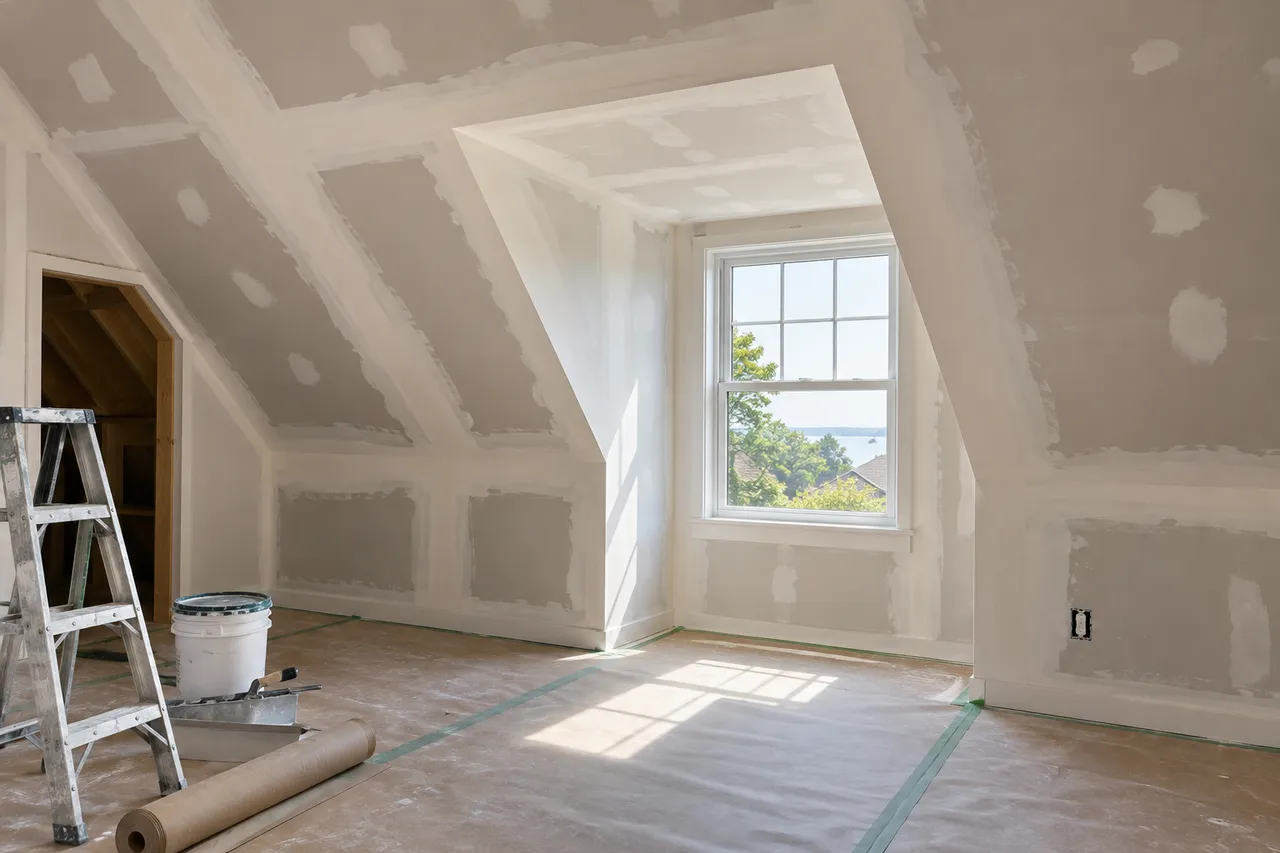
When drywall needs repair or replacement
Compare the options when the damaged substrate is gypsum board.
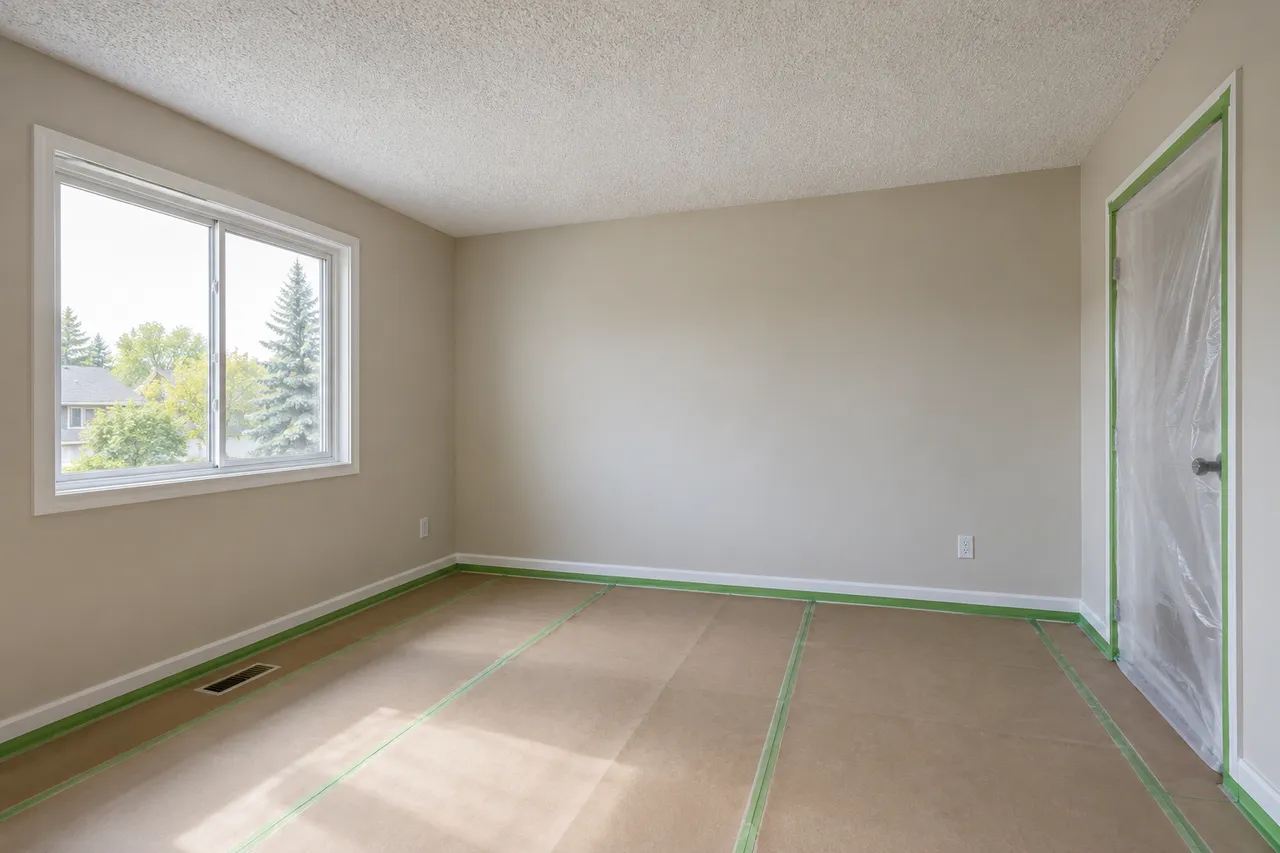
Compare a complete repair quote
Check preparation, finishing, painting boundaries and exclusions.
Mississauga wall and ceiling repair
Request an assessment for localized damage and retained finishes.
Mississauga drywall installation
Plan a larger replacement, supported board and paint-ready finishing.
Renovation illustrations
Materials, Protection and Finishing
Article Review
AuthorEPF Pro Services
Reviewed byEPF Pro Services
UpdatedSeptember 18, 2026
Plan your drywall scope
Get a drywall quote today
Share photos, room sizes, and timing. We reply the same day with Mississauga drywall availability and a clearer written scope.
Quick next step