
Garage Drywall Finish Levels: A 2026 Homeowner Guide
Updated September 11, 2026
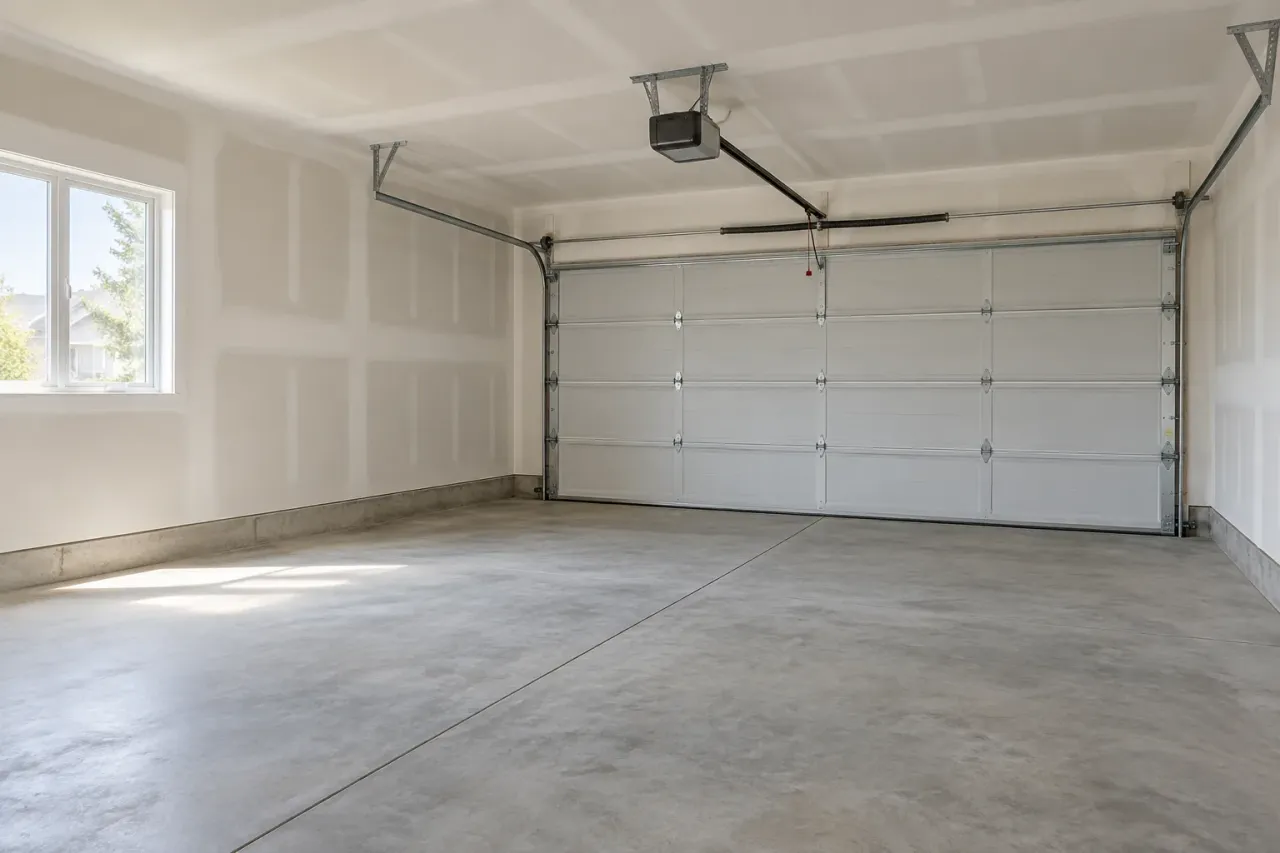
The right garage finish depends on the planned decoration and appearance. A finish level describes treatment; it does not certify the wall assembly or repair a loose base.
- Trusted since 2005
- Fully insured
- Dust-controlled sanding
- Paint-ready finishing
- 3-year workmanship warranty
Quick Answer
The right garage finish depends on the planned decoration and appearance. A finish level describes treatment; it does not certify the wall assembly or repair a loose base.
Garage drywall finish levels help describe the surface you are buying before decoration. They are not a simple ladder from bad work to good work. A utility garage and a brightly lit painted workshop may need different appearance specifications, while both still need sound construction and appropriate treatment of the underlying joints.
EPF's garage drywall finishing and repair service starts by distinguishing failed areas from sound work that needs an appearance upgrade. This guide explains how to discuss the finishing target, compare Level 4 and Level 5, and avoid paying for an undefined promise of smooth walls. Your actual scope should identify surfaces, preparation, decoration and inspection conditions.
Start with the condition you can see
Use these observations to prepare the assessment, not to diagnose concealed construction. Pair each detail photograph with a wider view so the repair area, adjoining surfaces and access are clear.
Utility appearance
Confirm original treatment and the new decoration target.
Smooth painted walls
Discuss a suitable Level 4 specification.
Demanding light or sheen
Consider Level 5 and a representative sample.
What a finish level describes
A finish specification describes joint, fastener, accessory and surface treatment before the final decoration. It helps the homeowner, finisher and painter discuss a defined starting condition. The number alone is not a completed paint system, nor does it establish how straight the supporting construction is or whether an existing damaged joint can be retained.
EPF's wider Level 4 versus Level 5 guide discusses the GA-214 reference. For a garage project, use the terminology to define the actual surfaces and decoration rather than attach a premium label to every wall. A specification is useful when the people doing the work share an understanding of its scope.
Keep construction requirements separate. An attached-garage assembly may have obligations beyond visible appearance. A surface finish level does not, by itself, certify fire, smoke or sound performance. Where a repair changes the assembly, the appropriate detail should be confirmed before selecting cosmetic treatment.
A brief guide to the numbered levels
Level 0 has no finishing. Level 1 provides basic embedded tape treatment, typically for concealed situations. Level 2 adds the specified covering of joints, fasteners and accessories and can suit utility areas where appearance is not a concern. Level 3 is associated with suitable heavier textures or coverings, not a smooth painted-wall target.
Level 4 includes the specified joint, angle, fastener and accessory coats without a whole-surface skim. It is commonly associated with smooth flat-painted surfaces under suitable conditions. Level 5 adds a thin skim treatment across the entire surface after the required joint work, for more demanding decoration or lighting.
These are short homeowner descriptions, not complete application instructions. The published GA-214 document gives the detailed requirements and intended uses. Product-specific instructions and the project specification still govern the work. Avoid choosing a finish by counting visible white stripes on an existing garage wall.
Why an unfinished garage may not look like a living room
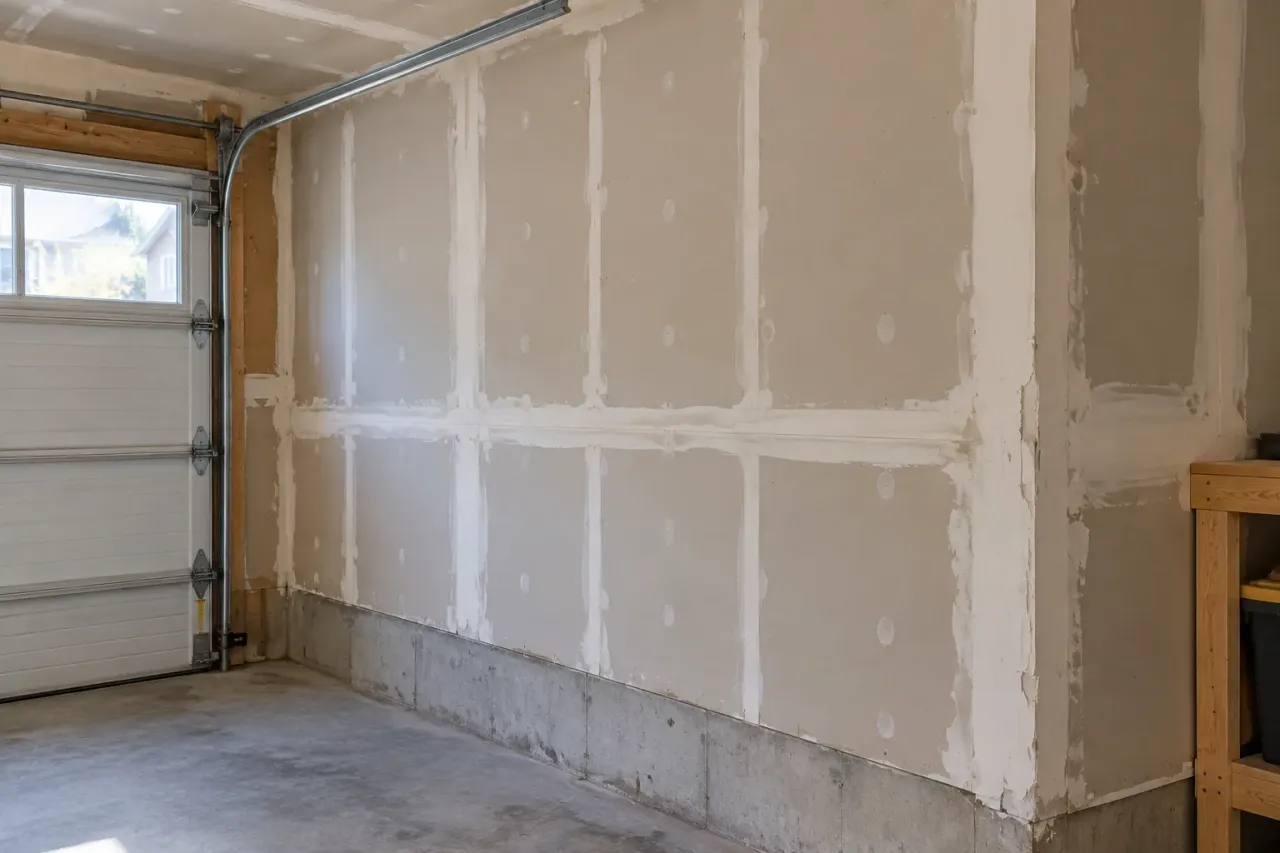
A garage may have been finished for utility use rather than a decorated interior appearance. Visible compound, tool marks or fastener treatment do not automatically establish that the board is defective. The important questions are whether the existing work is sound and what additional treatment is needed for the new use.
If you now want to paint the garage, the original stopping point may be insufficient for the appearance you expect. That is a change of finish target. A contractor can assess rough joints, old patches and transitions for improvement without claiming that every panel should be replaced or that the original installer promised a different result.
The rough garage finishing guide helps separate appearance work from actual joint failure. A sound ridge can require reshaping, while detached tape needs repair before smoothing. Both may be present, so an estimate should identify them rather than apply the same treatment to the whole room by default.
Choose the decoration before the final finishing decision
Tell the finisher about the planned paint colour and sheen. A wall intended for a subdued flat finish should not be assessed using assumptions about a reflective coating chosen after the last compound coat. Changing the decoration can change the appearance discussion even when the wall dimensions stay the same.
Lighting is equally relevant. Note windows, fixtures near a wall and directed work lights that will remain in the finished garage. The aim is to represent normal use. A photograph under even temporary lighting may not reveal the transitions that become obvious once permanent fixtures are installed.
You do not need to finalize every accessory before asking for an estimate. Identify choices that remain open, and have the quote state its assumptions. Then communicate any change before the finish is approved. Clear choices early are easier to manage than asking the painter to conceal a surface that was prepared for a different specification.
When Level 4 may be the useful starting point
For a garage receiving an appropriate smooth painted finish without unusually demanding light or decoration, a Level 4 discussion can be a practical starting point. The contractor should still assess the existing board, joint profile and repair needs. A label does not replace preparation or make a badly shaped retained joint acceptable.
Ask which surfaces will receive the specified treatment. Walls, ceilings, inside corners, doorway returns and boxed sections should be identifiable. A quote saying Level 4 garage may leave uncertainty about an excluded ceiling or a storage alcove. Surface descriptions make the price and final inspection more concrete.
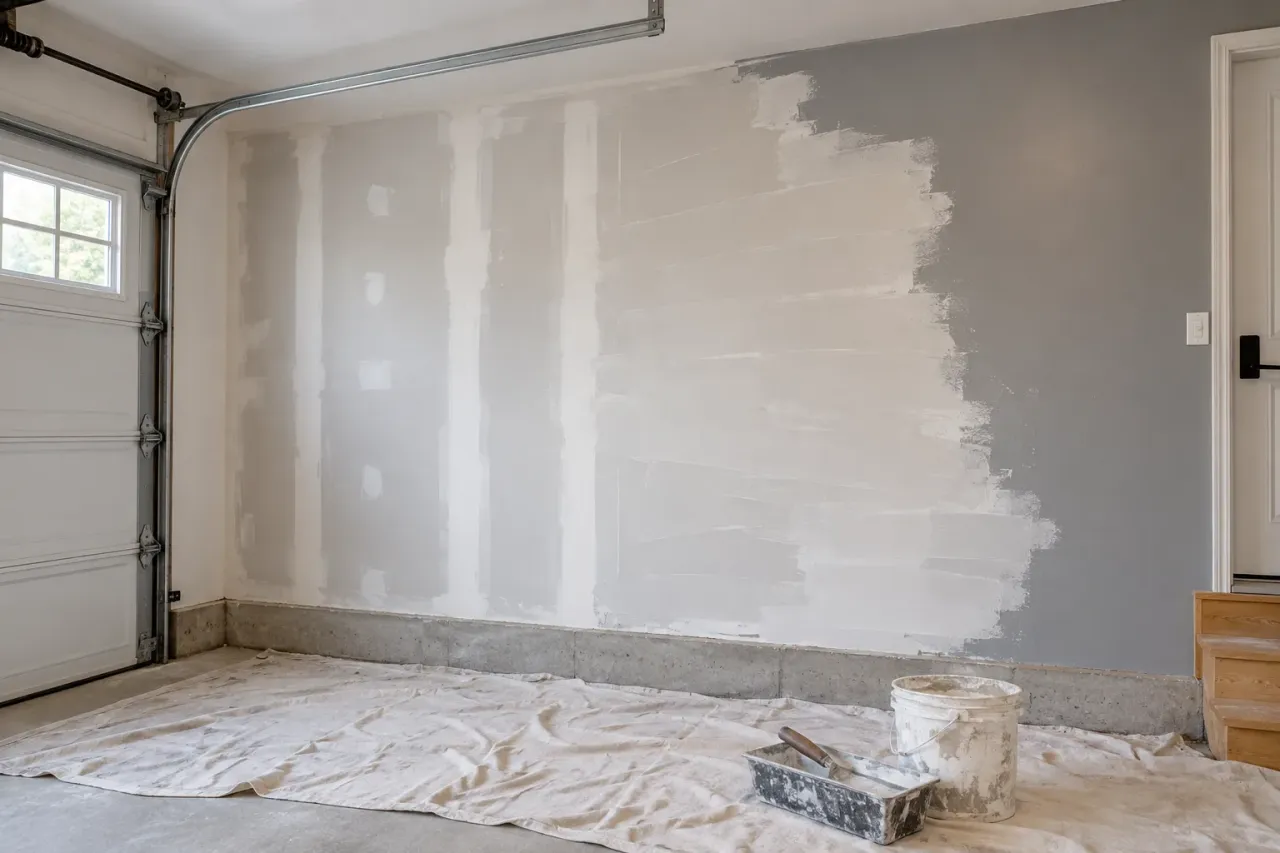
Primer is part of the decorating plan and should be discussed explicitly. A finish ready for the specified primer is not the same purchase as a completed painted garage. Confirm who removes dust, inspects the primed surface and performs any required touch-ups before the finish coating goes on.
When to discuss a Level 5 upgrade
A whole-surface skim may be worth discussing when the planned decoration or light makes surface differences more noticeable. The upgrade should serve a defined appearance goal, not simply be included because the garage is being renovated. Ask what concern the additional treatment is intended to reduce.
The skim follows suitable joint finishing. It is not a replacement for removing failed tape, correcting compromised board or resolving an unstable base. If the garage contains several types of defect, the quote should distinguish essential repairs from the selected finish upgrade. Otherwise the homeowner may pay for a broad surface coat over work that still needs correction.
A higher finish does not create a perfectly planar structure from uneven framing, nor guarantee that every surface will look flawless under every viewing condition. Discuss representative lighting and a sample when expectations are demanding. The result should be judged against an agreed specification and practical appearance target.
You can specify different surfaces differently
A garage does not have to receive one appearance upgrade everywhere. A visible workshop wall, a main ceiling and an obscured storage area may have different decorating goals. Name the surfaces and assign the chosen treatment to each, while keeping applicable construction requirements separate from cosmetic preferences.
For example, a homeowner may ask for the main ceiling to receive the higher finish while sound walls receive standard preparation. The quote should state the boundary where those specifications meet. This is a planning example, not a recommendation that every ceiling needs an upgrade or that concealed surfaces can ignore required treatment.
Selected-surface work also needs a sensible transition. A line halfway across a continuous wall may be more difficult to finish and decorate consistently than a full plane. Ask the contractor to explain the practical boundary rather than dividing the room only by a floor-plan label such as storage or workshop.
Measure upgraded surface area, not the garage footprint
If an upgrade is priced by area, confirm which surfaces are measured. The floor footprint does not include the garage walls, and a ceiling allowance does not automatically include vertical drops or returns. A simple sketch with dimensions helps prevent the same plane from being omitted or counted twice.
A hypothetical rectangular wall measuring 18 feet wide by 9 feet high has 162 square feet before deductions and details. A quote may still account for openings, corners, preparation and access separately. That arithmetic is a measurement illustration, not a repair price or a rule that labour follows area alone.
Keep the base finish and optional upgrade identifiable. If one proposal includes a full skim and another includes only joint treatment, they describe different work. Compare the cost of reaching the same final specification before deciding that one contractor's square-foot number is higher or lower for an equivalent service.
A sample makes the specification easier to judge
For demanding decoration, ask whether a representative sample can be included in the scope. It should show enough surface and a relevant joint or transition to support the appearance discussion. A tiny colour swatch cannot demonstrate how the repaired wall and coating system will look together.
Agree on the sample location, products and lighting before reviewing it. If the final paint or light changes afterward, revisit the assumption rather than expecting the earlier sample to represent a different setup. Keep a record of what was accepted and whether the sample work and any changes are included in the price.
The sample is a communication tool, not an excuse to ignore defects elsewhere. The completed work should still follow the agreed specification. It helps translate an abstract request for very smooth walls into a concrete conversation about what the homeowner will see when the garage is used normally.
Existing painted surfaces need their own preparation
An older garage wall may already carry paint, patches or different coating textures. A new finish treatment must be compatible with the retained surface. The contractor should assess adhesion, cleanliness and damaged areas before planning broader smoothing. The condition cannot be determined simply by seeing that the wall is already white.
Loose paint or tape should not be buried beneath a skim. A sound but uneven surface is a different case and may be suitable after appropriate preparation. The repair versus skim-coating comparison explains why the two operations can belong in the same job without being interchangeable.
Tell the contractor what you know about previous coatings and repairs. Keep labels or receipts if available, but acknowledge unknown materials. Do not buy a product solely because it has a familiar name and expect it to resolve every surface. The finishing system needs to suit the actual base and the planned decoration.
Drying and sanding still matter at every level
A more demanding finish may involve additional work, but all finishing needs suitable product conditions and readiness between operations. The garage's temperature, humidity and use affect planning. Repeatedly opening the door or leaving the space unconditioned can matter to the work window and should be discussed before booking.
The number on a setting-compound package does not give the elapsed time to a painted garage. Product readiness, coat thickness and local conditions still need assessment. A schedule should identify likely visits and the point when primer can be confirmed, rather than treat the finish level as a fixed number of days.
Sanding refines a correctly shaped surface. It does not fill depressions or restore a failed bond. EPF uses dust-controlled sanding with HEPA support where appropriate, along with protection and cleanup. The homeowner should plan for an active renovation area even if the finish is being improved only on one wall.
Put the painting handoff in writing
A useful scope states whether the finisher stops at sanded preparation, applies primer or completes painting. It also names the person responsible for checking the primed surface and correcting small defects. Without that agreement, a finish-level label can leave the homeowner uncertain about what happens between the last sanding pass and the final coat.
If you will paint yourself, ask what preparation remains and follow the coating instructions. Do not assume primer can hide a raised joint or that a paint-and-primer label replaces all preparation. The drywall surface and the paint system need to work together, but each has its own role.
Where the garage has retained painted areas, discuss colour and sheen matching realistically. An excellent local repair can still require a broader repaint for visual consistency. Decide the decorating boundary before accepting the quote, especially when the goal is a uniform wall under newly installed lighting.
Turn a finish label into a useful estimate request
Send EPF your city, broad garage photos, wall and ceiling dimensions, visible defects and the surfaces you want improved. Include the planned paint and lighting, or state which choices are not yet settled. Mention whether the board is unpainted, previously repaired or covered by an unknown coating.
Ask for necessary repairs to be identified before optional finish upgrades. Then compare the selected treatment on the same surfaces with the same primer and painting assumptions. That provides a clearer decision than choosing the highest number because it sounds safest or the lowest number because the room is called a garage.
Use the quote form to describe the project and include a photo link when available. A clear finish schedule, suitable base and agreed inspection make the result reviewable. The useful specification is the one that fits your garage's actual decoration and use while preserving the requirements of its underlying construction.
Planning this repair in Oakville
For an Oakville finishing estimate, include the property location, planned paint sheen and the walls that will remain visible after shelving is installed. A neighbourhood name helps locate the job; photographs and an assessment establish which joints need repair and which surfaces only need finish improvement.
EPF serves all Oakville neighbourhoods. Review Oakville garage repair coverage and neighbourhoods, then include your location with the repair details when requesting an estimate.
FAQ
Is Level 2 the same as smooth paint-ready drywall?
No. It is a utility-level treatment for appropriate uses where appearance is not the priority. A smooth decoration target needs a suitable finish specification.
Does every garage need Level 5?
No. Consider decoration, light and appearance expectations. Level 5 adds whole-surface skim treatment after required joint work.
Can I specify a higher finish on only one wall?
Selected surfaces can be discussed. Define the boundaries and keep essential repairs and construction requirements separate from the appearance choice.
Does a finish level certify an attached-garage assembly?
No. Surface finishing and required assembly details address different questions. Confirm applicable construction requirements for the actual project.
Field Photos
What the Work Can Look Like
Article Review
AuthorEPF Pro Services
Reviewed byEPF Pro Services
UpdatedSeptember 11, 2026
Plan your drywall scope
Get a drywall quote today
Share photos, room sizes, and timing. We reply the same day with GTA drywall availability and a clearer written scope.
Quick next step