
DIY Drywall Repair vs Hiring a Professional
2026-03-30
Homeowner guide to deciding when drywall repair is simple enough to handle yourself and when a pro is worth it for a cleaner finish.
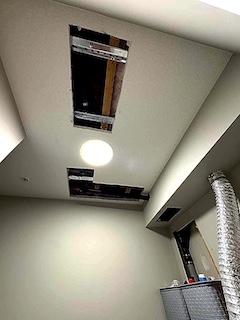
A lot of drywall repairs look easy until the wall is painted. That is the real line between DIY and hiring a pro. The repair may feel done when the hole is covered, but the finish still decides whether the wall looks fixed or just patched.
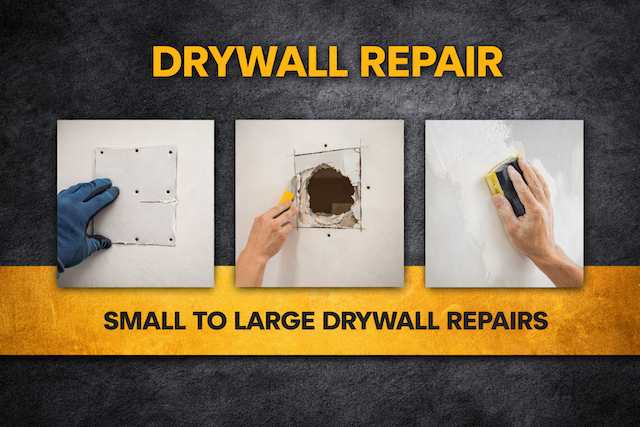
If you want to compare do-it-yourself patching against a clean, paint-ready finish, start with drywall repair so you can judge what is included in a full repair scope.
When DIY makes sense
DIY can be reasonable when the damage is small, the wall is not in a high-visibility area, and you are comfortable doing several light coats instead of trying to finish the job in one pass. Screw holes, tiny dents, and very minor wall wear are the usual examples.
If you already plan to repaint a whole wall, small spot repairs are often easier to hide because the entire surface is being refreshed anyway.
When homeowners usually get frustrated
The trouble starts when the damage is bigger than it looked, the wall needs to be flat under side light, or the repair came from plumbing, electrical, or water issues. That is where backing, cut-out replacement, wider finish work, and stronger sanding discipline start to matter.
What people underestimate about drywall repair
- How long the drying stages actually take
- How much feathering is needed to hide the repair
- How obvious a patch becomes after primer and paint
- How messy sanding can get in finished homes
- How much harder ceilings and stair walls are than flat walls
Why a pro often looks more expensive only at the start
A pro quote can look higher because it includes prep, backing, replacement material when needed, finish coats, sanding, and the surface checks that make the patch disappear. DIY looks cheaper until the repair is still visible, still cracking, or still unfinished once paint goes on.
Where pros usually add the most value
Pros add the most value on ceilings, larger holes, water-damaged areas, trade cut-outs, repeated crack repairs, and any room where you want the wall to look calm and flat afterward. Those are the jobs where the finish work matters more than the patch itself.
That is where drywall repair services usually save more time than they cost, especially when the wall needs to be ready for paint on a real schedule.
How to decide honestly
Ask three simple questions. Is the damage small enough that a basic fill makes sense? Is the wall in a spot where a slightly visible patch will bother you later? And do you have the patience to do multiple coats, sanding, and touch-ups without rushing the finish?
If the answer to the second or third question is no, that is usually your sign to stop treating it like a quick patch.
The homeowner middle ground
A lot of people can handle the smallest repairs themselves and still call a pro for the bigger or more visible areas. That is often the smartest line. You do not need to hire out every pinhole. But you also do not need to fight a stair wall or a trade cut-out just because the first step seemed simple.
Final thoughts
If you want the wall to disappear after paint instead of merely looking covered, review professional drywall repair before deciding that a DIY patch is automatically the cheaper answer.
The real cost of drywall repair is not only what you spend on compound and tools. It is whether the wall still looks damaged when the room is finished.
Related local pages
How to patch drywall — A practical guide to choosing the right patch method for different hole sizes.
How to repair large drywall holes properly — A closer look at the type of repair that usually pushes homeowners past DIY territory.
FAQ
Is drywall repair a good DIY project?
Small holes and light cosmetic damage can be reasonable DIY projects. Larger holes, ceilings, trade cut-outs, and visible walls are much harder to finish cleanly.
Why do DIY drywall patches still show after paint?
Visible patches usually come from narrow feathering, uneven sanding, heavy compound, or choosing a repair method that was too light for the actual damage.
When is hiring a drywall pro worth it?
It is usually worth it when the repair is large, visible, repeated, water-damaged, or in a room where a smooth paint-ready finish matters.
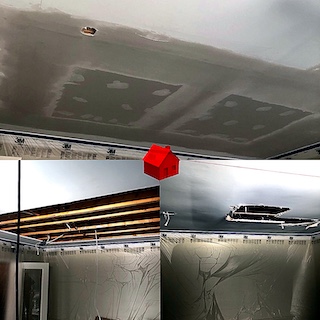
Field photos
Inspiration for your project

Drywall terms this page covers
Useful terms to compare scopes, finish levels, and scheduling before you book.
- DIY drywall repair vs professional
- should I hire a drywall repair contractor
- when to hire a drywall repair pro
- small drywall repair DIY
- professional drywall repair
- drywall repair cost vs DIY
- drywall repair
Plan your drywall scope
Get a drywall quote today
Share photos, room sizes, and timing. We reply the same day with GTA drywall availability and a clearer written scope.
• Clear finish-level scope and drywall sequencing
• Basements, ceilings, condos, and commercial buildouts
• Flexible scheduling for occupied homes, condos, and active sites
Quick next step
Send photos and room sizes through the main quote page, or call for a same-day reply.
Keeping the form on the main quote page helps this article stay lighter and faster.