
What Wall Damage Turns Buyers Off Before You Sell Your Home?
2026-04-01
Visible wall damage can make a home feel neglected before listing. This seller-focused guide explains which drywall problems matter most, what buyers notice first, and what is actually worth fixing before you sell.

Short answer: yes, visible wall damage can turn buyers off before you sell, but not every defect matters equally. The goal is not to make every wall perfect. The goal is to make the home feel clean, maintained, and ready for photos and showings. When cracks, dents, patch marks, or water stains are left in obvious places, buyers tend to read them as deferred maintenance even when the actual repair is simple.
If you already know the walls need work, start with drywall repair. That is the main service page for patching, cracks, water damage, and paint-ready wall repairs across the GTA.
For sellers, this is a presentation decision first and a repair decision second. Buyers do not usually walk through a home making a technical list of drywall defects. They react to whether the house feels cared for. Clean walls help the home feel move-in ready. Damaged walls make buyers wonder what else was deferred.
Across Mississauga, Toronto, Oakville, Burlington, Hamilton, Milton, and nearby Ontario markets, that pattern is consistent. The more competitive the listing, the more small visual issues start to matter in photos, during walkthroughs, and in buyer confidence.
What wall damage buyers notice first
Buyers usually notice the damage that catches light, breaks clean sightlines, or suggests a bigger issue behind the surface. That is why a small defect in the wrong place can matter more than a larger defect in a low-traffic room.
The first things buyers tend to notice are corner cracks near doors and windows, nail pops that cast tiny shadows, patch marks that flash through paint, dents at eye level in hallways, scuffed or crushed outside corners, and any brown water stain that looks like a leak was never fully resolved.
They also notice bad touch-ups. A wall that was patched badly can look worse than a wall that was left alone. If the repair area is lumpy, wider than it should be, or painted with the wrong sheen, it tells buyers the home has been maintained cheaply rather than carefully.
The biggest pre-sale problem is not one specific defect. It is the accumulated impression of small defects across main rooms. Once buyers see a few, they start scanning for more.
Does drywall repair matter before selling a home?
Yes, because walls are background surfaces. Buyers do not want to think about them. When drywall damage stands out, it interrupts the room and pulls attention away from the layout, light, flooring, and finishes you actually want people to notice.
This matters even more in listing photos. Phone cameras and professional real estate photos both exaggerate certain flaws: shadowing around nail pops, uneven patches under side light, and old crack lines near corners or ceilings. A room that feels fine in person can still look tired online if the walls are full of small visible repairs.
Drywall repair before selling usually does not create value the way a new addition does. What it does is reduce friction. It helps the home feel better maintained, gives buyers fewer reasons to mentally subtract repair costs, and keeps small wall issues from becoming a talking point during showings.
That is why pre-sale wall work is often worth it even when it is not dramatic. Buyers tend to notice visual neglect faster than they reward technical details they cannot see.
Which drywall problems should be fixed before listing
The best approach is to prioritize defects by how much they hurt presentation, not by how annoying they feel when you live there every day.
Must-fix before listing
- Water-damaged drywall or visible water stains
- Medium or large holes from handles, furniture, plumbing, or electrical work
- Repeating cracks near doors, windows, or ceiling lines in main rooms
- Broken or dented outside corners in hallways and entry areas
- Obvious patch marks that flash through paint in listing-photo rooms
Good-to-fix if budget allows
- Scattered nail pops in living rooms, bedrooms, and hallways
- Clusters of small dents and screw holes
- Old anchor holes from wall-mounted TVs, shelves, or art
- Minor seam lines that show in daylight
Can sometimes be left alone
- Tiny picture-hook holes in low-priority rooms
- Very small defects hidden behind furniture or staging
- Cosmetic imperfections in utility areas where buyers are unlikely to linger
What you want to avoid is overspending on invisible repairs while leaving obvious issues in the rooms that sell the house. Living rooms, kitchens, hallways, entry views, and primary bedrooms usually deserve the most attention first.
Cracks, nail pops, dents, and patch marks that make walls look neglected
These are the classic pre-sale drywall problems because they make a room feel older without seeming serious enough to trigger urgency for the owner. Buyers react differently. They see them as signals that the home has had wear, movement, or low-quality patching.
Cracks matter most when they are repeated, visible from the doorway, or concentrated near trim and ceilings. A single small hairline crack is not the end of the world. Several cracks in the same sightline make the wall feel unsettled.
Nail pops are common, but they stand out badly under natural light and on flatter paint finishes. They also tend to show up in clusters, which makes the room feel like it has more wear than it really does.
Patch marks are usually the biggest offender because they tell buyers there was already damage there once. If the patch was not feathered wide enough, primed properly, and repainted cleanly, the repair stays visible and the wall looks unfinished.
Dents and corner damage are simpler, but they still matter in showings because they make the house feel less crisp. These are the kinds of defects buyers often remember later even if they never mention them aloud during the walkthrough.
Water damage and stained drywall before selling
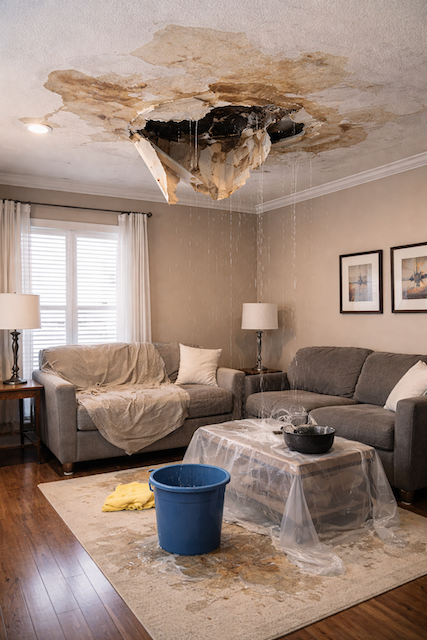
If there is one category you should not ignore before listing, it is water-damaged drywall. Brown stains, bubbling paint, soft drywall, or patched leak areas create immediate concern because buyers assume moisture problems may still be active.
Even if the leak was fixed long ago, the visual stain keeps the story alive. Buyers do not know whether the issue is old or ongoing. They only know the wall or ceiling looks like something happened there.
The right sequence matters. Fix the source first. Then replace or repair the damaged drywall, seal stain-prone areas properly, and repaint so the finished surface looks stable and intentional. Covering a leak stain cosmetically without addressing the underlying material is a mistake, especially before a sale.
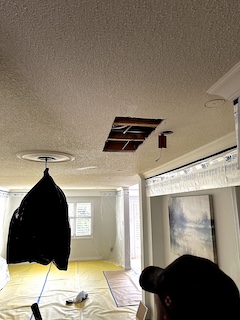
This is also where professional drywall repair usually makes more sense than a rushed cosmetic patch. Water damage often involves substrate checks, cut-outs, drying history, and a cleaner repair strategy than homeowners expect.
Is drywall repair worth it before selling?
In many homes, yes. Drywall repair is worth it before selling when the wall damage is visible in photos, easy for buyers to notice on a walkthrough, or likely to be interpreted as neglect. The return is usually not a direct line item. The value comes from presentation, smoother showings, and fewer buyer objections.
It is especially worth it when the defects are concentrated in the rooms doing the most work for the sale. A clean living room, front hall, stair wall, or primary bedroom often helps the whole home feel tighter and better maintained.
It may be less urgent if the property is clearly being marketed as a renovation opportunity, if the walls are mostly sound and the bigger issues are elsewhere, or if the sale strategy is entirely price-driven. But in most standard resale situations, obvious wall damage is low-value clutter you are better off removing before buyers see it.
The best way to judge it is simple: if the damage would stand out in the listing photos, it is usually worth addressing.
DIY patching vs professional drywall repair before listing
DIY can be fine for a few tiny nail holes if you already have the right paint and know how to leave a flat repair. It becomes risky fast once the job involves larger holes, tape lines, recurring cracks, corner rebuilds, or anything that needs feathering across a wider section of wall.
The problem is timing. Before listing, you usually do not have the luxury of redoing a failed patch. If the wall flashes after paint, if the texture does not match, or if sanding dust spreads into an otherwise staged home, the DIY savings disappear quickly.
Professional work makes more sense when the damage is in main rooms, when repainting needs to happen fast, or when the finish needs to disappear under real estate photography. Pre-sale repairs are not just about getting compound on the wall. They are about getting to a surface that does not call attention to itself anymore.
That is why sellers often choose a pro for anything beyond simple touch-ups. The goal before listing is not practice. It is reliability.
Should you repaint after drywall repair?
Usually yes, at least on the affected wall and sometimes the full room. Even when the repair itself is good, touch-up paint often flashes because the existing paint has aged, the sheen is slightly off, or the wall was cleaned differently around the repair area.
A lot of pre-sale disappointment comes from stopping one step too early. The drywall patch is fixed, but the wall still looks patched because the paint blend is not clean enough. On darker colours, flatter modern paints, and walls with strong daylight, that difference shows fast.
If the repaired area is small and the paint is recent, a careful touch-up may be enough. If the wall has multiple repairs, older paint, or any history of stains and touch-ups, repainting the whole wall is usually the safer move. For some rooms, repainting the full room gives the cleanest result for listing photos.
How to get walls ready for listing photos and showings
Think in terms of what the camera and the buyer will see in the first ten seconds. Start with the main sightlines: front entry, hall walls, living room, dining area, stair walls, primary bedroom, and any wall behind the bed, sofa, or TV that will show in photos.
Walk the home in daylight and again at night with lights on. Side light is where cracks, nail pops, and bad patches show themselves. Mark anything that catches your eye twice. Those are usually the repairs worth doing before the photographer arrives.
For GTA homes and condos, this is especially important in long hallways, stairwells, condo main rooms with large windows, and older homes where past patching may already exist under fresh paint. The same wall can look acceptable in soft light and rough in listing photos.
A practical pre-listing wall checklist is:
- Repair visible cracks, nail pops, dents, and holes in main rooms
- Address any water stains or soft drywall properly
- Prime and repaint where needed so patches do not flash
- Check corners, stair walls, and high-traffic entry areas
- Do one final walkthrough after cleanup, not before
Final answer: what to repair before selling and what not to overdo
Fix the wall damage that affects trust, cleanliness, and first impressions. That usually means holes, visible cracks, water damage, ugly patch marks, dented corners, and the clusters of nail pops that make a room feel worn. Do not overthink tiny defects in low-priority spaces if the bigger visual surfaces are still unresolved.
The smartest pre-sale drywall work is targeted. You are not chasing perfection. You are removing the wall problems that make buyers hesitate, photograph badly, or suggest more maintenance than the house really needs.
If you want the walls to read clean before photos and showings, use repair damaged drywall as the next step. Send photos, room list, and your target listing date so the scope stays practical and the walls are ready before the home hits the market.
FAQ
Should I repair drywall before selling my house?
Usually yes if the damage is visible in main rooms, listing photos, or buyer sightlines. The goal is a clean, maintained look rather than perfect walls everywhere.
Does drywall repair increase home value?
Usually the benefit is indirect. Drywall repair improves presentation, reduces buyer objections, and helps the home feel better maintained, which can support a smoother sale.
What wall damage should I fix before listing?
Focus first on water damage, visible holes, recurring cracks, patch marks, broken corners, and clusters of nail pops in the rooms buyers notice most.
Is DIY drywall patching okay before a home sale?
Only for very small, low-risk repairs if you can leave a flat finish and match the paint cleanly. Larger patches, corner damage, cracks, and photo-visible walls are usually safer to handle professionally.
Do I need to repaint after drywall repair before selling?
Often yes. A good repair can still flash through paint if the sheen, age, or colour match is off. Repainting the affected wall is often the safest route before listing photos.
Field photos
Inspiration for your project
Drywall terms this page covers
Useful terms to compare scopes, finish levels, and scheduling before you book.
- drywall repair before selling your home
- repair drywall before selling house
- should I repair drywall before selling
- does drywall repair increase home value
- wall damage before selling home
- nail pops before selling
- cracks in drywall before selling
- holes in drywall before selling
- water damaged drywall before selling
- patch drywall before listing house
- drywall repair for home sale
Plan your drywall scope
Get a drywall quote today
Share photos, room sizes, and timing. We reply the same day with GTA drywall availability and a clearer written scope.
• Clear finish-level scope and drywall sequencing
• Basements, ceilings, condos, and commercial buildouts
• Flexible scheduling for occupied homes, condos, and active sites
Quick next step
Send photos and room sizes through the main quote page, or call for a same-day reply.
Keeping the form on the main quote page helps this article stay lighter and faster.