
How to Prepare Your Home for Popcorn Ceiling Removal in Mississauga
2026-04-06
Practical Mississauga guide to popcorn ceiling removal preparation, including furnished vs vacant rooms, painted ceiling prep, dust containment, older-home considerations, and what happens after removal.
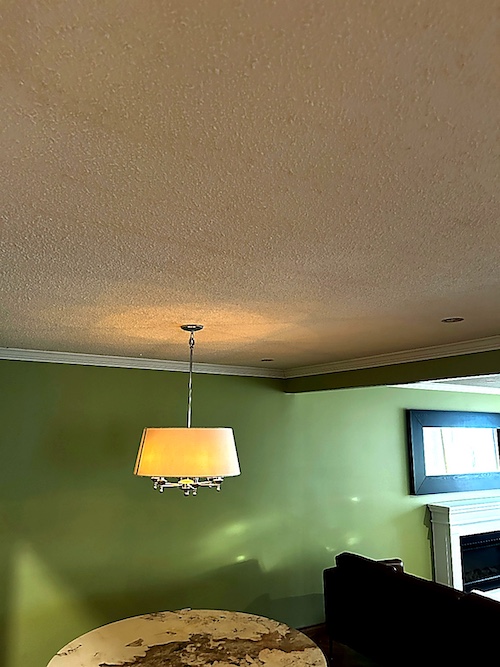
Popcorn ceiling removal is messy work by nature. Even when the job is contained properly, the ceiling is still being disturbed overhead, tools are moving around the room, and repairs usually follow removal before the final smooth finish is ready for paint.
That is why preparation matters so much. The better the room is set up before work starts, the easier it is to control dust, protect surfaces, move safely, and deliver a cleaner final result. Homeowners in Mississauga often think first about moving the couch or taking pictures off the wall, but good prep goes well beyond that.
If you are comparing scope before booking, review our popcorn ceiling removal in Mississauga page first. It shows the local service process, neighbourhood coverage, and the difference between basic texture removal and a true paint-ready ceiling finish.
This guide is written for real occupied homes, condos, townhouses, and detached houses across Mississauga, from City Centre condos and Erin Mills family homes to older properties in Port Credit, Cooksville, Applewood, and Lorne Park. The goal is simple: help you prepare the room properly so the removal phase, repair phase, and cleanup phase all go more smoothly.
Why proper preparation matters before popcorn ceiling removal
Preparation affects more than cleanliness. It affects access, production speed, repair quality, and whether the room can be put back together without unnecessary delays. When crews have enough space to set ladders properly, stage tools safely, and protect edges and fixtures correctly, the work usually moves faster and the finish work is more consistent.
It also reduces avoidable damage. Tight rooms, half-moved furniture, exposed electronics, open vents, and cluttered floor paths make ceiling work harder than it needs to be. That increases the chance of scuffs, dust drift, or slowdowns while surfaces are being covered and uncovered repeatedly.
In practical terms, good popcorn ceiling removal preparation helps with all of the following:
- Better dust containment and easier cleanup after removal, sanding, or smoothing work
- Safer ladder placement and more consistent access across the full ceiling
- Fewer delays caused by moving furniture during the job instead of before it
- Better drywall repairs and skim-coat work after the texture is removed
- Lower risk of damage to flooring, decor, electronics, and nearby finished surfaces
Is the room vacant or furnished?
This is one of the first planning questions because the prep strategy changes immediately. A vacant bedroom in Meadowvale can be protected and worked on very differently from a furnished living room in Mineola or a condo den near Square One.
1. Vacant rooms
Vacant rooms are always simpler. The crew can protect the floor wall-to-wall, set ladders where needed, and move from scraping to repairs to sanding without constantly working around furniture. If a room is empty, the biggest prep focus is usually protecting floors, masking adjacent openings, removing small fixtures or decor, and confirming whether the ceiling has been painted.
Even in a vacant room, it still helps to maintain clear floor space around the perimeter. Ceiling work often needs access near corners, bulkheads, vents, smoke detectors, closets, and window walls. If boxes, renovation materials, or stored items are still sitting in the room, it stops being functionally vacant.
Open-concept areas should be treated the same way. If the kitchen, living room, and dining space connect visually, only one part of that zone being empty may not be enough. The work area still needs enough uninterrupted floor space for containment and movement if the ceiling continues across the whole open section.
2. Furnished rooms
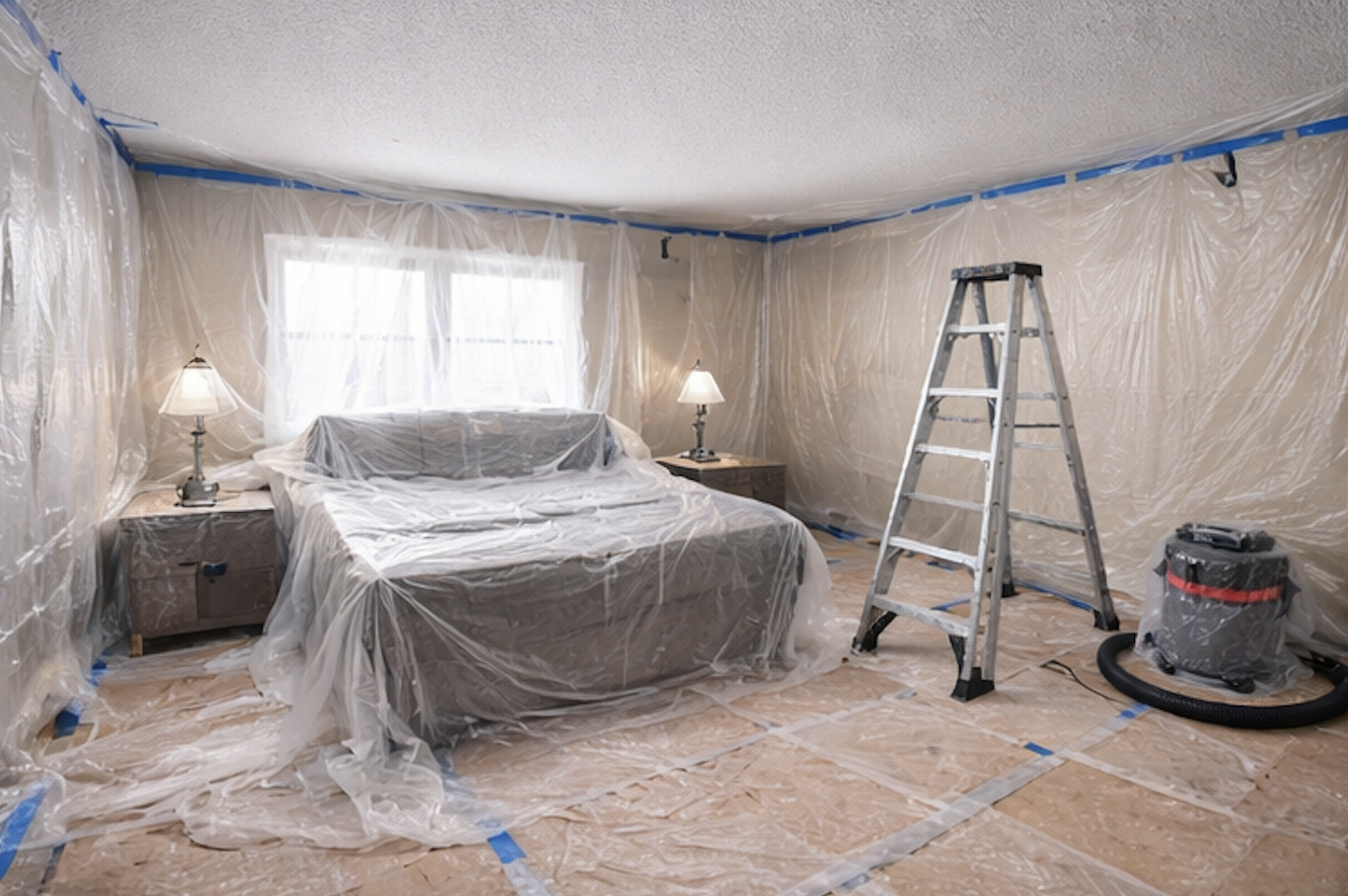
Furnished rooms can absolutely still be done, but the prep needs to be tighter. Small items, breakables, electronics, and loose decor should be removed fully. Larger items like beds, dressers, sectionals, or heavy sofas may be able to stay only if they can be consolidated away from the work path and wrapped correctly.
The more floor area you can clear, the better. In many occupied bedrooms, the bed stays but side tables, lamps, chairs, mirrors, and storage pieces should come out. In family rooms, oversized sofas and media units often create the biggest access problem because they limit ladder placement right where the crew needs to work overhead.
For furnished spaces, assume that anything delicate, valuable, or awkwardly shaped should be removed rather than covered in place. Plastic protection helps, but it is not a substitute for clearing the room. That is especially true in busy Mississauga homes where the room may still be used by children, pets, or family members the same evening.
What homeowners should remove before the crew arrives
Homeowners usually think about furniture first, but the smaller room contents are what slow prep down and create the most avoidable risk. The goal is to leave the crew with a room that can be protected quickly and worked in without stopping to sort fragile or personal items.
Before popcorn ceiling removal day, remove or relocate the following where possible:
- Wall decor, mirrors, framed art, clocks, and shelving items
- Fragile decor, ceramics, glass items, and sentimental pieces
- Televisions, speakers, computers, gaming systems, printers, and other electronics
- Window coverings if they sit tight to the ceiling or block edge access
- Small furniture such as accent tables, bar stools, desk chairs, toy bins, benches, and floor lamps
- Valuables, jewelry, documents, medications, and personal items you do not want left in the work area
- Pet beds, food bowls, cages, litter boxes, scratching posts, and toys
If you are unsure about a heavier item, ask in advance instead of guessing. Beds, hutches, upright pianos, large sectionals, and built-ins all affect how the room should be staged. Some can stay if wrapped and isolated correctly; some should be moved out before work begins so the finish crew is not boxed in later during repairs and sanding.
How to protect floors, walls, fixtures, and vents
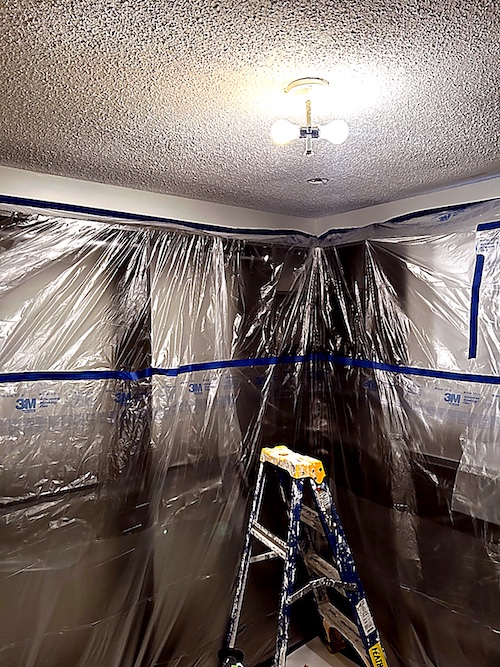
Surface protection should be thought through as a system, not as one sheet of plastic tossed over the room. Different surfaces behave differently once overhead work begins. Removal, smoothing work, and sanding each create different risks, and the prep should match that reality.
Hardwood floors usually need a more stable protective layer than a simple drop sheet because foot traffic, ladders, and compound buckets can shift lighter coverings. Tile is durable but still benefits from proper floor protection so grout lines do not collect slurry or fine sanding dust. Carpet is tricky because it traps dust easily, so thorough covering and careful edge sealing matter more than many homeowners expect.
Walls near the ceiling line may also need masking, especially where fresh wall paint, wallpaper, trim details, or built-ins run tight to the ceiling. Baseboards, door casings, and nearby millwork can be protected quickly if the room is clear. If the room is crowded, the protection job becomes slower and usually less precise.
Fixtures and mechanical openings deserve their own checklist:
- Light fixtures should be removed or protected depending on the type and how tight they sit to the ceiling
- Pot lights should be discussed before work starts because trim rings, cutouts, and future lighting plans can affect repairs and skim work
- Smoke detectors and alarms may need protection or temporary handling depending on placement
- HVAC vents should be sealed so dust and debris do not migrate through the system
- Ceiling fans should be removed or isolated properly if they interfere with access
- Adjacent doorways and nearby rooms should be considered if the home has an open layout or active air movement
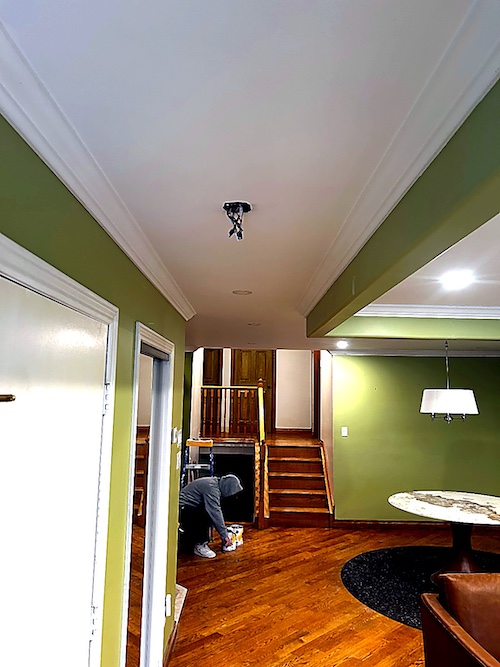
This matters most in open-concept Mississauga homes where the ceiling runs from the kitchen into the family room or hall. Dust does not respect invisible room lines. If the containment plan ignores adjacent openings, homeowners often notice the problem later in nearby rooms rather than in the work zone itself.
Check the ceiling before removal starts
The ceiling condition affects the prep plan just as much as the room condition. Before work starts, it helps to walk the ceiling visually and note anything that could change the removal method, the repair scope, or the finishing schedule.
Look for stains, previous patches, cracks, sagging areas, loose tape joints, nail pops, exposed seams, and obvious height or plane changes. Water marks around bathrooms, skylights, and exterior wall lines matter because removal may expose repairs that need more than a quick patch. Older repairs hidden inside the texture also tend to show up once the popcorn comes off.
It is also worth noting whether the ceiling runs into bulkheads, crown moulding, skylight wells, vaulted sections, or plaster transitions. Those details do not make the project impossible, but they do change how much setup, edge protection, and hand-finishing is required. High ceilings and stairwells obviously need to be identified before arrival so access equipment and timing are planned correctly.
If the texture already looks patchy or unusually hard, that can be an early clue that the ceiling was painted or repaired multiple times. In neighborhoods with mixed housing stock like Streetsville, Applewood, and Cooksville, you often see ceilings that have been touched up over decades rather than done once cleanly. That history changes the prep and finishing strategy.
Painted vs unpainted popcorn ceiling preparation
This is one of the most important distinctions on the whole page. Unpainted popcorn can sometimes be softened and removed in a more predictable way. Painted popcorn is different. Once paint seals the texture, scraping can become slower, rougher, and less reliable, and the ceiling underneath often needs more repair work to get back to a clean plane.
For homeowners, that means the prep is not just about protecting the room. It is also about confirming expectations. A painted ceiling may need more time, more surface-smoothing work, more drying time, and a different workflow than an unpainted one. That can affect how long the room is out of use and whether you should expect a straight removal job or a broader ceiling resurfacing scope.
If you already know the texture has paint on it, read our painted popcorn ceiling removal guide next. It explains why painted ceilings often move from simple scraping into a more repair-heavy skim-coat process.
A good prep conversation should cover whether the ceiling has ever been painted, whether test areas have been done, and whether the room schedule needs to allow for extra finishing passes. This is where many homeowners underestimate the job. Scraping is only one phase. Getting the ceiling smooth again is the real standard that matters.
Older homes and asbestos considerations in Ontario
Older popcorn or textured ceilings in Ontario should not be treated casually. If the home is older and the material history is unclear, testing may be appropriate before the ceiling is disturbed. This is not just a technical detail. It can change the method, timing, containment requirements, and who should perform the work.
The practical rule for homeowners is simple: do not assume based on appearance alone. A ceiling can look ordinary and still require a more careful decision before disturbance. That is especially relevant in older Mississauga homes where prior renovations may be incomplete or undocumented.
If asbestos is suspected, the scope may shift from straightforward removal prep into a testing-and-planning step first. That can affect room access, whether the space should be vacated longer, and how the job is scheduled. It is better to identify that question before furniture is moved and expectations are set than halfway through a project.
This article is not legal advice, and every property is different. The key point is that older ceilings deserve a safer assessment before disturbance, particularly when age, prior coatings, or material history are uncertain.
Plan for access, parking, and work sequence
A lot of delays on ceiling projects are logistical rather than technical. The crew still needs a clean entry path, somewhere to stage tools and protective materials, access to water, and a plan for how the room will be used while the project is underway. In condos, elevator bookings, loading rules, and building protection can matter as much as the ceiling itself.
Think through access before workday one: where should the crew enter, where can materials be placed, what rooms are off limits, and will anyone need the work area the same evening? If the room is a primary bedroom, kitchen-adjacent family room, or condo living space, that affects how the sequence should be planned.
Also discuss trade coordination early. If an electrician is adding pot lights, replacing fixtures, or changing smoke detectors, the ceiling sequence should reflect that. Some electrical work is best done before final skim passes, while some fixture installation is cleaner after the ceiling is fully primed and painted. That should be decided in advance, not improvised mid-job.
What happens after the popcorn is removed
Many homeowners think the hard part is done once the texture is off. In reality, removal is only the start of the finish process. What happens next is what determines whether the room ends up looking flat, clean, and modern instead of scraped but still rough.
A typical professional sequence looks like this:
- Controlled removal or resurfacing based on the ceiling condition
- First repairs to exposed defects such as torn areas, cracks, seams, old patches, or loose joints
- Full or partial surface smoothing to flatten the ceiling and blend transitions
- Sanding and quality checks under normal lighting and strong daylight
- Final prep to highlight anything that still needs correction before paint
- Flat ceiling paint and final cleanup or walkthrough
That sequence matters because cleanup after popcorn ceiling removal is not only about bagging debris. It includes dust control during sanding, protecting adjacent rooms until the dusty stages are done, and making sure the room can actually be reoccupied without residue being left behind on floors, vents, shelves, or furnishings.
If you want the broader service process, see our popcorn ceiling removal page. It covers how removal, smoothing, cleanup, and painting fit together as one scope.
Common preparation mistakes homeowners make
Most prep mistakes come from underestimating how much of the job happens after the texture comes down. Homeowners plan for scraping day and forget about repairs, sanding, drying time, or the need to keep the room controlled until the ceiling is actually paint-ready.
The most common mistakes are:
- Leaving too much furniture in the room and assuming it can all just be wrapped in place
- Assuming scraping alone is the whole job and not planning for repairs or smoothing work
- Not checking whether the popcorn ceiling has been painted
- Forgetting to seal vents or think about dust movement into adjacent rooms
- Expecting a perfect final finish the same day in every room regardless of repairs or dry time
- Underestimating how much previous cracks, stains, patches, or tape issues can add to the finish scope
- Forgetting to move fragile electronics, art, and sentimental items before the crew arrives
Homeowner checklist before popcorn ceiling removal day
Use this quick checklist the day before the crew arrives:
- Remove fragile items, decor, electronics, and valuables from the work zone
- Clear floor pathways and create as much open space as possible
- Confirm whether the ceiling appears painted, stained, cracked, or previously patched
- Decide which large items will stay and which should be moved out fully
- Keep pets and pet supplies out of the room
- Confirm access, parking, water access, and any condo logistics if applicable
- Discuss finish expectations, including repairs, smoothing, final prep, and paint
- Ask directly whether the ceiling seems painted and how that changes preparation
Prepare adjacent rooms and daily routines before work starts
One detail Mississauga homeowners often miss is how the ceiling project affects the rooms immediately beside the work zone. Even if the actual popcorn ceiling removal is limited to one room, the access path, containment line, and cleanup route still affect nearby halls, bathrooms, entry areas, or family spaces.
That matters in condos near Square One just as much as it matters in detached homes in Erin Mills or Port Credit. If kids still need breakfast in the nearby kitchen, if a hallway must stay passable for work-from-home traffic, or if a bedroom has to be partly usable again that evening, those routine needs should be discussed before the first day. It is easier to build the prep plan around real daily use than to discover halfway through the project that the room was technically protected but functionally impossible to live around.
Need a cleaner popcorn ceiling removal plan in Mississauga?
The best prep plan is the one that matches the actual room, not a generic checklist copied from a broad national article. A vacant condo bedroom, a furnished family room, and an older detached home with painted texture all need different decisions before the ceiling is disturbed.
If you want help scoping the room properly, start with our Mississauga popcorn ceiling removal page, then send photos and room details through the quote form. EPF Pro Services can advise what should be removed, what can stay, whether the ceiling looks painted, and what the real work sequence will likely be before the crew arrives.
Related local pages
Mississauga popcorn ceiling removal — Indexable local service page covering neighbourhoods, process, and quote guidance.
Popcorn ceiling removal — Main service page covering removal, smoothing, cleanup, and paint-ready finishing.
Painted popcorn ceiling removal — Useful follow-up if the texture has already been painted and the prep scope may change.
FAQ
Do I need to empty the room completely before popcorn ceiling removal?
Not always, but the more space you clear the better the result usually is. Vacant rooms are easier to protect and finish, while furnished rooms need more staging, wrapping, and restricted access.
Can furniture stay in the room during popcorn ceiling removal?
Some large items can sometimes stay if they are consolidated and protected properly, but fragile items, electronics, and small furniture should usually be removed before the crew arrives.
How messy is popcorn ceiling removal?
It is inherently messy because ceiling texture is being disturbed overhead, but proper containment, vent sealing, floor protection, and careful sanding make a major difference in keeping the home cleaner.
Do I need to leave the house during the work?
Usually not for every project, but room access often stays limited while removal, repairs, smoothing work, and sanding are underway. Older ceilings or more complex containment needs can change that plan.
What if the popcorn ceiling was painted?
Painted popcorn ceilings usually need a more careful approach than unpainted texture. They often require more prep, more repair work, and more smoothing work to achieve a clean finish.
What if the ceiling has stains or cracks?
Stains, cracks, old patches, loose joints, and nail pops should be identified before removal starts because they often add repair work after the texture is removed.
Is preparation different in older Mississauga homes?
Yes. Older homes may have uncertain ceiling history, multiple paint layers, older repairs, plaster transitions, or material questions that justify a more careful assessment before disturbance.
What happens after scraping is done?
After removal, the ceiling usually still needs repairs, smoothing, sanding, final prep, and often flat ceiling paint before it is truly ready for normal lighting and everyday use.
Field photos
Inspiration for your project
Popcorn ceiling terms this page covers
Useful terms to compare removal, skim coating, and finish scope before you book.
- how to prepare for popcorn ceiling removal
- prepare home for popcorn ceiling removal
- popcorn ceiling removal preparation
- how to get ready for popcorn ceiling removal
- prepare room for popcorn ceiling removal
- protect furniture during popcorn ceiling removal
- vacant vs furnished room popcorn ceiling removal
- painted popcorn ceiling prep
- asbestos popcorn ceiling Ontario
- cleanup after popcorn ceiling removal
- ceiling repairs after popcorn removal
- popcorn ceiling removal checklist
- Mississauga popcorn ceiling removal preparation
Ready to plan your ceilings?
Get a popcorn ceiling quote today
Share photos, ceiling heights, and timing. We reply the same day with Mississauga availability.
• HEPA dust control and Level 5 skim finishing
• Pot-light coordination and interior painting add-ons
• Flexible scheduling for condos and single-family homes
Quick next step
Send photos and room sizes through the main quote page, or call for a same-day reply.
Keeping the form on the main quote page helps this article stay lighter and faster.